
The Next Round for the North
National Blueprints, World Cup 2026: Canada


Canadian soccer has never carried the global mythology of Brazil, the tournament machinery of France, or the historical weight of England. Its story has been quieter, colder, more scattered, and in many ways more difficult to define.
And yet, beneath that silence, soccer has always been there.
For much of the last three decades, soccer has been one of Canada’s most registered youth sports, played across school fields, summer leagues, immigrant communities, suburban parks, and indoor facilities built to survive the winter. In a country defined by vast geography and moderate population size, the game has often existed less as a single national culture and more as a hidden network of families, communities, and scattered talent.
That is part of what makes Canada different.
This is a country where soccer talent can emerge from anywhere: from Toronto, Montréal, Vancouver, Edmonton, Brampton, Scarborough, or from families whose footballing inheritance began long before they arrived in Canada. Immigration has shaped the Canadian game deeply, not as decoration, but as foundation. The sport has often travelled through parents, neighbourhoods, languages, and diasporas before it ever reached the professional pathway.
For decades, however, that energy struggled to become a coherent national system.
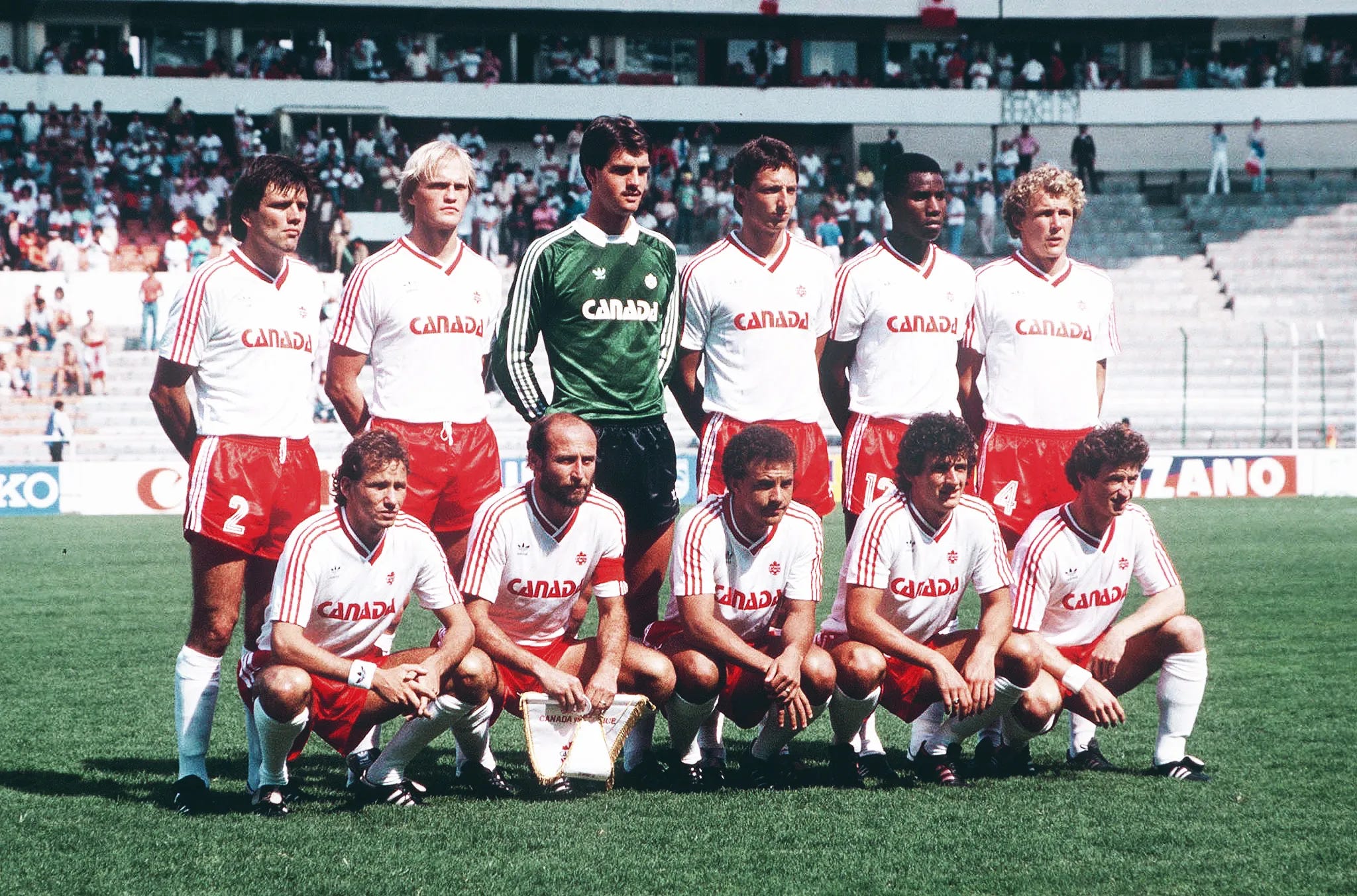
Canada reached the World Cup in 1986, but the breakthrough did not become a permanent footballing revolution. The country remained full of participation but short on professional infrastructure, full of young players but limited by geography, weather, development gaps, and the gravitational pull of other sports. Soccer was everywhere, yet still somehow peripheral.
That began to change.
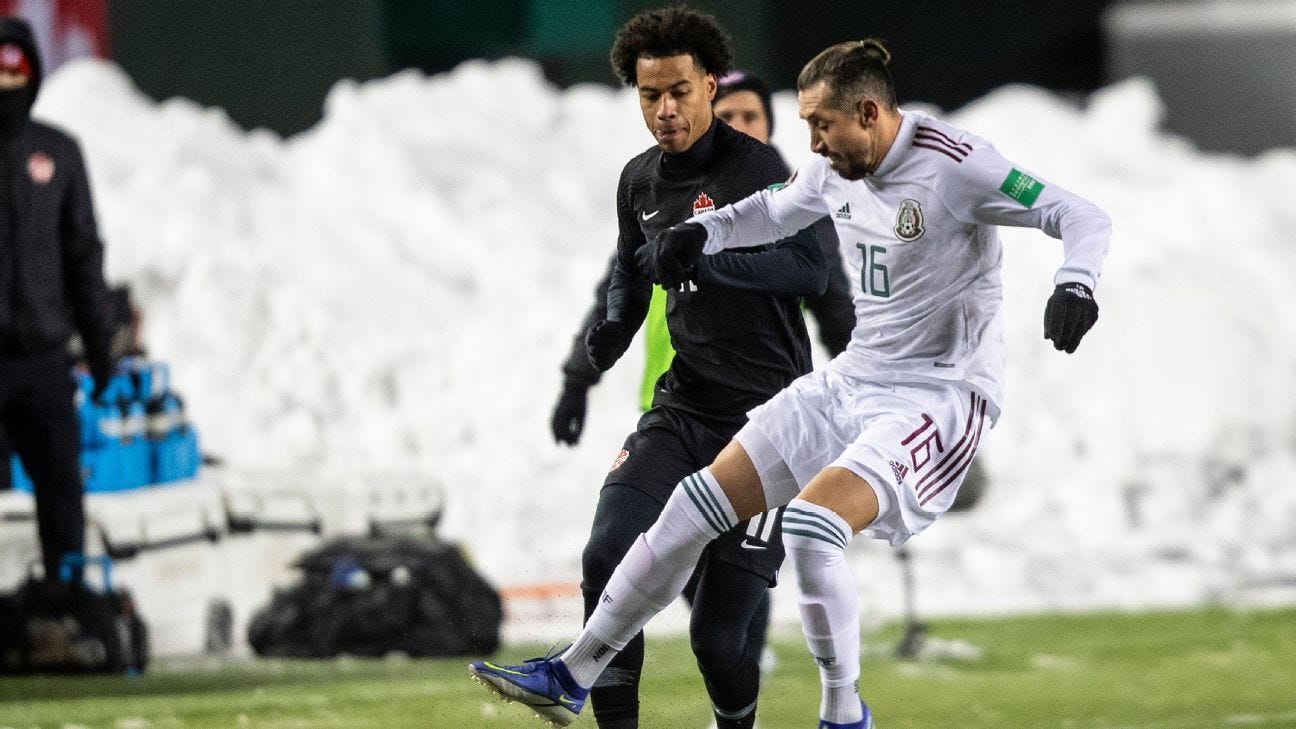
The rise of a domestic men’s professional league, the growth of the women’s professional landscape, and the emergence of a new national team generation have started to give Canadian soccer something it had long lacked: a visible pathway. Even the elements themselves have become part of the identity. The frozen qualification night against Mexico in Edmonton, the blizzard surrounding the 2025 CPL final, and the physical edge of Canadian matchdays all point toward something deeper than conditions.
Canadian soccer is learning to embrace the climate that once limited it.
That resilience mirrors the country itself. The stories of families arriving to build new lives, athletes adapting across distances and seasons, players fighting through limited pathways, and communities turning summer fields into cultural meeting places all sit beneath the surface of the national team.
Ahead of the 2026 World Cup, Canada are no longer simply asking whether they belong.
That question was answered in 2022.
The next question is harder.
Can Canada turn participation into culture, culture into structure, and structure into a team mature enough to compete on home soil?
For a country still building its soccer identity, 2026 is not just another tournament.
It is the next round for the North.
Identity & Historical Context
Canada’s history at the men’s World Cup is short, but not empty.
The national team has only appeared twice: first in 1986, then again in 2022 after a thirty-six-year absence. Now, in 2026, Canada return as hosts, no longer framed simply as a distant outsider, but as a country trying to turn recent arrival into lasting identity.
The 1986 breakthrough was historic, but it did not create a permanent soccer revolution.
Canada remained a country with participation, eligible talent, and cultural connection to the game, but without enough professional structure to consistently convert that energy into an elite men’s national team. The gap between playing soccer and becoming a top-level Canadian player remained too wide.
The MLS era helped change the visibility of the sport.
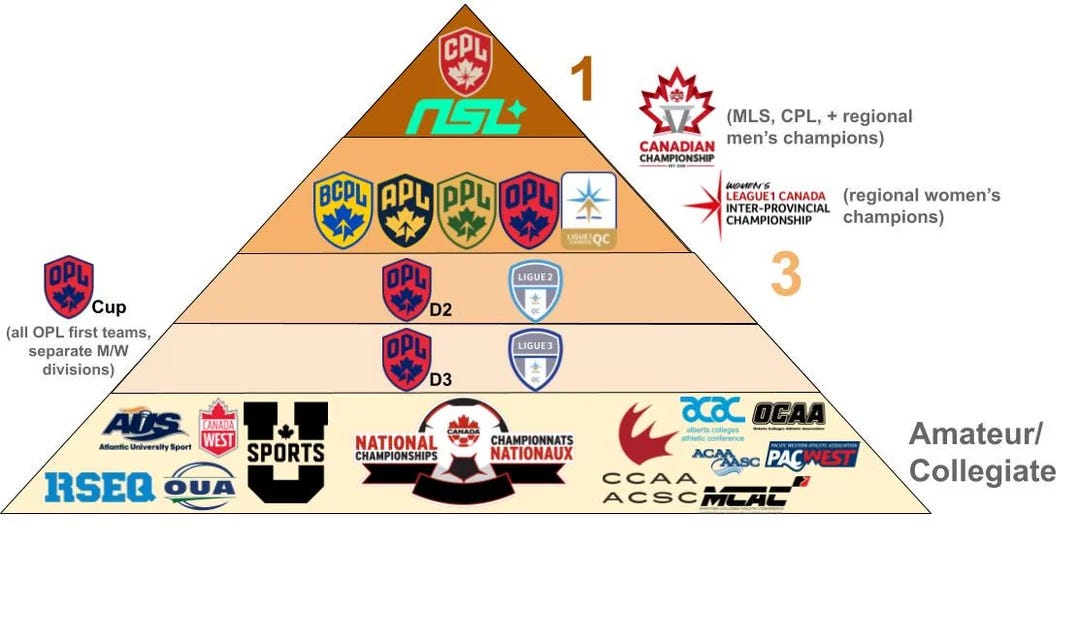
Toronto FC, Vancouver Whitecaps, and CF Montréal gave Canadian soccer stronger professional anchors, even if those clubs existed inside a league shaped primarily by the United States. Toronto FC’s 2017 MLS Cup triumph became a symbolic high point, proving that Canadian clubs could become major forces within the North American professional landscape.
Yet the broader question remained: could Canada build something of its own?
That is where the Canadian Premier League became significant.
Its creation did not solve every developmental problem, but it gave the country a national league system designed around Canadian realities: distance, weather, market size, player access, and the need for domestic minutes. In a country where geography itself can act like an opponent, building a soccer pyramid was never going to be simple. It had to be adapted to the scale and conditions of the country.
That resilience gradually became part of the national identity.
The cold-weather qualifying night against Mexico in Edmonton became one of the defining images of the 2022 cycle. It was not just a result. It was a symbol of Canada learning to use its own environment as part of its competitive edge. The growth of the professional landscape, which included the 2025 CPL final played through a blizzard, reflected the same truth. Canadian soccer is not built in perfect conditions. It is built through distance, weather, persistence, and adaptation.
The national team’s rise followed that same pattern.
John Herdman laid the emotional and cultural groundwork, turning Canada into a side with belief, aggression, and collective identity. Jesse Marsch’s arrival represents the next stage: not simply inspiration, but refinement. Canada now need to turn energy into structure, transition threat into control, and emotional momentum into repeatable tournament behaviours.
That is the challenge of hosting.
Canada enter 2026 with a veteran core that has already experienced the shock of the World Cup stage, but also with younger players hungry to define the next chapter. The country is no longer just chasing qualification. It is trying to build continuity across cycles: 2022 as arrival, 2026 as proof, and 2030 as the measure of whether the pyramid can keep producing.
Canadian soccer has never had the luxury of inherited certainty.
It has had to build itself across delayed infrastructure, harsh conditions, and a professional landscape still finding its full shape. That makes its identity less polished than the traditional powers, but also more alive.
The next step is no longer about proving that Canada can reach the World Cup.
It is about proving that Canadian soccer can stay there.
The Modern Problem
Ahead of the 2026 World Cup, Canada Head Coach Jesse Marsch announced a final 26-man squad that reflected both the growth and the complexity of the national pool.
Unlike previous eras, Canada are no longer working from a narrow group of obvious selections. The player base has expanded significantly, with more quality options, more dual-national decisions, and more role-specific profiles available than at any point in the modern history of the men’s national team. Even without releasing a public 55-man provisional squad, the process itself was still layered. A 32-man training camp in North Carolina acted as the final filter before the tournament group was confirmed.
The final squad captures that transition clearly.
Thirteen players return from the 2022 World Cup, preserving a core that already understands the emotional and physical demands of the international stage. The other half of the squad represents the next wave: newer faces, fresher profiles, and players who reflect a deeper Canadian soccer ecosystem than the one that arrived in Qatar.
There was also a strategic layer to the selection beyond immediate tournament usage. By calling up certain players who had not yet met the friendly appearance threshold required to be fully cap-tied, Marsch effectively protected parts of Canada’s future pool while building the present squad. That makes the selection more than a simple best-26 exercise. It becomes a multi-step attempt to manage continuity, depth, and long-term national team identity at once.
But that growth also creates pressure.
Canada’s problem is no longer simply whether enough talent exists. It is whether that talent can be organised quickly enough into a tournament-ready structure before the opener against Bosnia in Toronto. The squad is deeper, more athletic, and more versatile than before, but it also arrives with unresolved questions around fitness, balance, role overlap, tempo control, and Alphonso Davies’s best use.
That is where Canada’s modern problem begins.
The rise is real. The next test is whether it can become structurally coherent.

The Race Against Time
One of Canada’s biggest pre-tournament concerns is not simply player availability, but the race to restore match sharpness across the squad.
Jesse Marsch used the demanding North Carolina training camp to build the cardiovascular base required for his high-intensity system, but the second half of the club season left Canada with a disrupted rhythm. Several important players entered the World Cup window either returning from injury, managing physical limitations, or short of consistent competitive minutes.
That matters because Canada’s best version depends heavily on timing.
Marsch’s system requires repeated sprints, coordinated pressing triggers, aggressive recovery runs, and constant emotional intensity. If the players are not physically ready, the structure can quickly stretch. If they are pushed too soon, Canada risk losing key profiles before the tournament properly settles.
The issue is visible across the pitch.
Even before considering Alphonso Davies, the back line has carried its own uncertainty. Moïse Bombito, Derek Cornelius, and Richie Laryea all enter the tournament with questions around rhythm, durability, or recent match exposure. For a team that relies on defensive recovery speed and aggressive pressing coverage, those details matter.
This creates a difficult balance for Marsch.
Canada need their most important players on the pitch, but they also need them physically capable of surviving the demands of the system. The pre-tournament window cannot only be about tactical refinement. It also becomes a process of load management, rhythm rebuilding, and deciding how much risk the opening match against Bosnia can realistically absorb.
In that sense, the race against time is not only about who is fit.
It is about whether Canada can become sharp enough, quickly enough, to play the soccer their system demands.
The Wide Profile Imbalance
Canada’s wide selection creates one of the clearest tactical trade-offs in the squad: asymmetric power against blueprint predictability.
On paper, Jesse Marsch has real attacking depth out wide. Canada have pace, direct running, touchline threat, pressing energy, and players capable of attacking space aggressively in transition. The issue is not simply the number of wide players selected. It is how unevenly those profiles are distributed across both flanks.
The left side carries more variation.
Jacob Shaffelburg offers direct touchline running and vertical crossing threat, while Liam Millar gives Canada more inside-cutting movement, combination play, and diagonal threat from wider zones. Ali Ahmed adds another layer as a right-footed wide advanced playmaker who can start from the left, link into pockets, and help Canada connect possession rather than simply attack space. In a best-case version of the squad, Marcelo Flores would have added another creative profile between the wing and central pockets, but his absence makes that left-sided variety less complete.
The right side is more linear.
Tajon Buchanan remains the obvious specialist, giving Canada explosive one-v-one threat, traditional width, and right-footed driving from the touchline. Behind him, the natural alternatives are less clear. Ahmed can play on the right if required, but his strongest value is usually found from the left-sided pocket and linking role. That leaves Canada more dependent on Buchanan’s speed, width, and delivery to give the right side its attacking identity.
That creates the danger of functional asymmetry.
Marsch has not built a perfectly balanced pitch. He has built two different wide engines: one side with more variation and rotation, the other with more speed and verticality. That can be powerful if the mechanisms are timed well, especially with Alphonso Davies influencing the left side. But if those behaviours become too fixed, opponents can defend the geography of the pitch rather than constantly adjusting to changing profiles.
For Canada, the solution is not to make both flanks identical.
It is to make the asymmetry feel intentional rather than predictable.
Controlling the Tempo
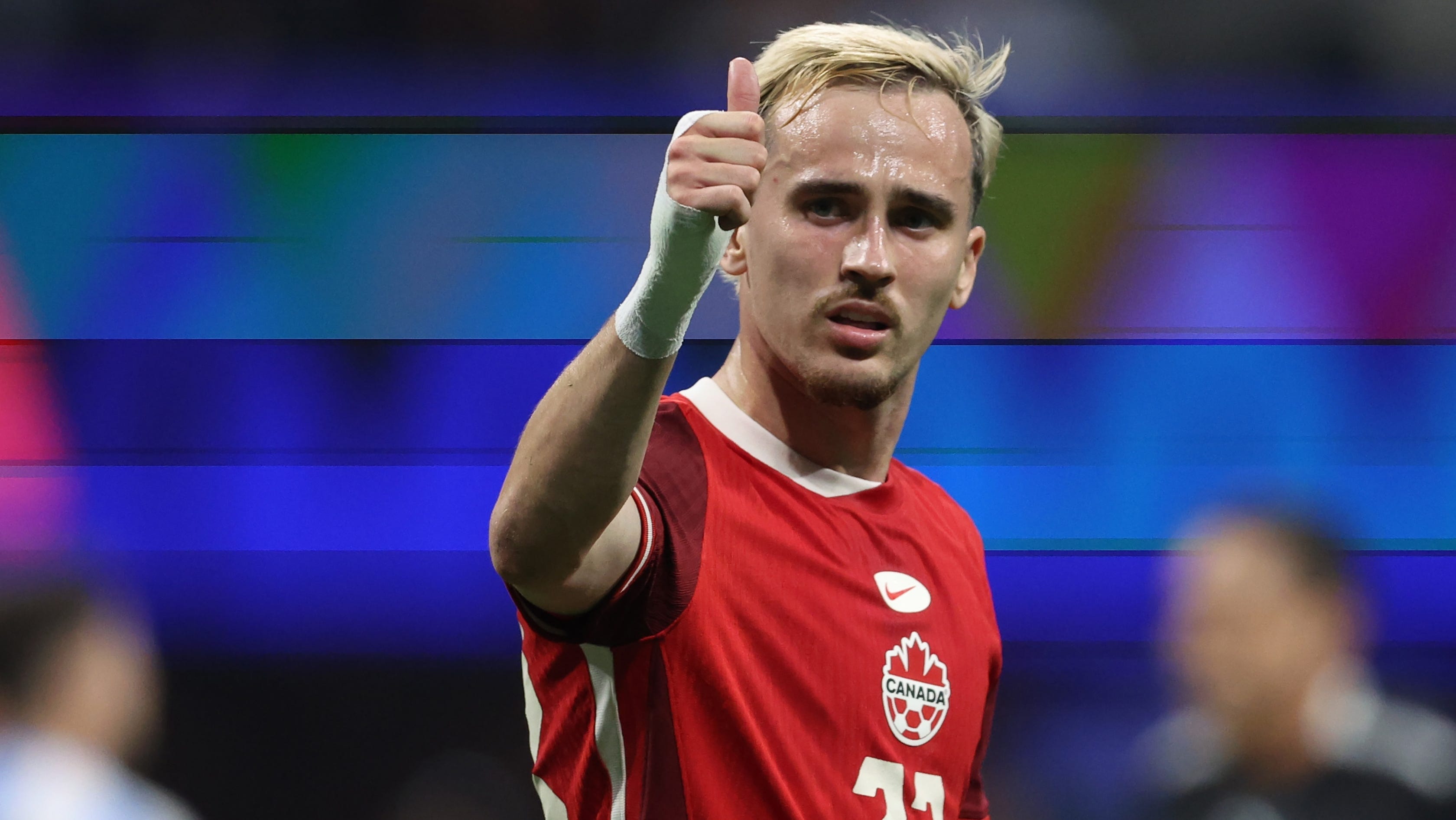
Canada’s next concern is tempo.
Under Jesse Marsch, this team is naturally built for intensity: pressing, transition, vertical running, and turning games into athletic contests. That identity gives Canada a clear weapon, especially when matches become open. The issue comes when opponents refuse to give them the kind of space that makes that weapon most dangerous.
Against lower blocks, Canada’s pace can be neutralised.
If the game slows down, the team can be forced wide too early, circulating around compact structures without a true target man to consistently attack crosses. Stephen Eustáquio gives Canada an important anchor and passing reference from deeper midfield, but he is more naturally suited to connecting defence into midfield than carrying the entire creative burden into the final third.
That is where Nathan Saliba becomes important.
He is not a traditional number ten, nor a pure creative specialist, but his profile offers Canada a useful tempo-controlling bridge. As a box-to-box midfielder with calmness in possession, he can help connect midfield into attack, supporting the zones ahead of Eustáquio without forcing Canada to rely only on wide progression or broken-field moments.
Ismaël Koné offers a different solution.
Where Saliba can help stabilise rhythm, Koné brings more individual unpredictability. His carrying, flair, and ability to break lines through movement give Canada a midfielder who can create disruption when the passing structure becomes too flat. The trade-off is that his game can also invite more volatility.
That is the balance Canada must solve.
They do not need to become a possession-dominant soccer team. But they do need enough midfield control to survive matches where transition space disappears. Without that, Canada risk becoming a side that can threaten chaos, but struggle when asked to patiently create it.
The Davies Dilemma
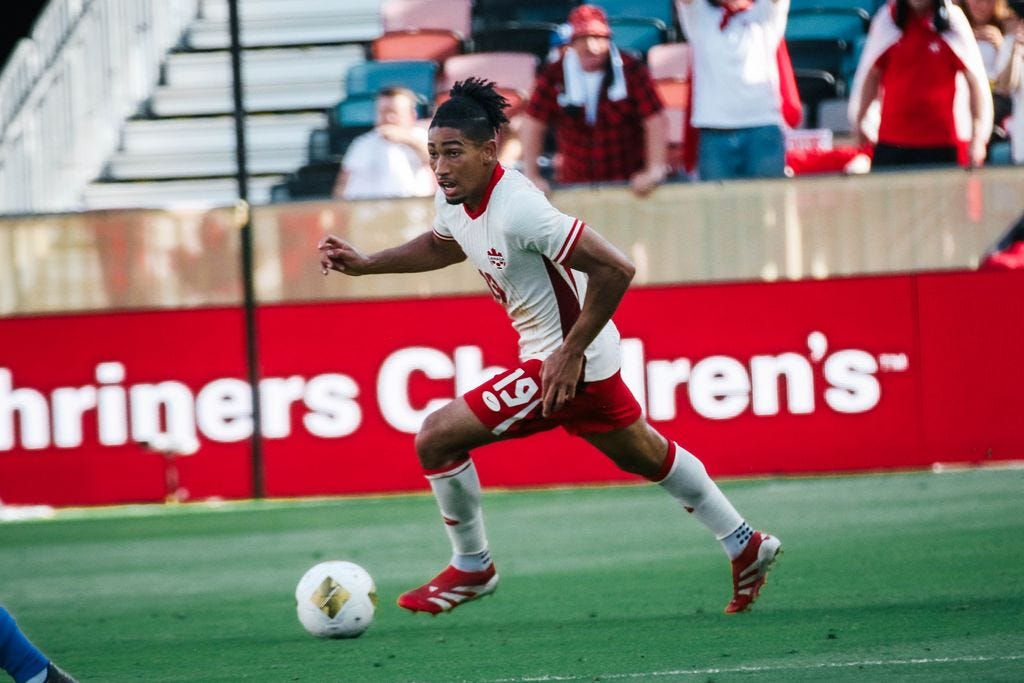
The biggest individual question around Canada remains Alphonso Davies.
As the national team’s talisman, Davies changes the ceiling of the side more than any other player. Yet his final months before the World Cup have been defined by interrupted rhythm, repeated injury concerns, and the race to recover match sharpness before the opener against Bosnia in Toronto.
That uncertainty matters because Davies is not simply another starter.
If fully fit, he gives Canada an elite left-sided weapon capable of changing the field through ball carrying, recovery speed, and explosive transition threat. But if his fitness remains fragile, Jesse Marsch faces a difficult decision: use him carefully from left-back, move him higher to reduce some defensive running, or manage his minutes entirely.
The positional question is just as important as the physical one.
Earlier in his Canada career, Davies was often used in more advanced roles, where his pace, dribbling, and directness could immediately threaten the final third. Under Marsch, however, he has been used more consistently as a left-back, where his maturity, recovery ability, and ability to carry the ball from deep help stabilise the entire left side.
Both versions carry a trade-off.
At left-back, Davies can influence more phases of the game. He can defend space, progress the ball, overlap, underlap, and give Canada a platform to build from deeper zones. But that role also demands repeated high-intensity running over larger distances, which becomes risky if he is not fully sharp.
Higher up the pitch, Davies can be preserved closer to goal and used as a more direct attacking weapon. That may reduce some defensive responsibility, but it also removes part of Canada’s best progression and recovery profile from the back line.
This is where Canada’s 2026 squad differs from previous cycles.
On paper, the team is deeper and more complete than it was in 2022. Canada are not as dependent on Davies to solve every attacking problem alone. But international soccer still bends toward star moments, especially in tournament games where margins are thin and structure can only take a team so far.
That is the dilemma.
Canada have grown beyond being a one-player story, but Davies remains the player most capable of turning their structure into something dangerous.
The Tactical Proposal
Canada’s tactical proposal begins with the group itself.
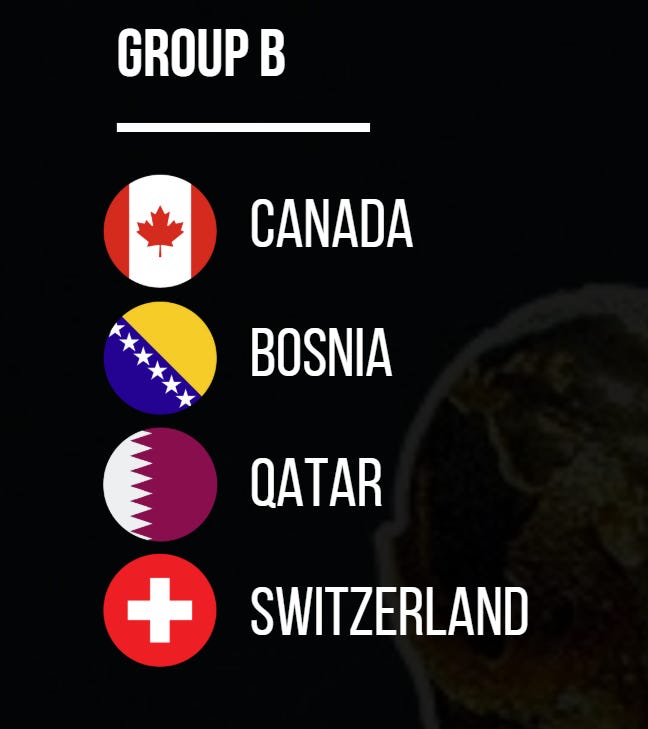
In a section containing Bosnia, Switzerland, and Qatar, Canada are not facing one single type of tournament problem. They are facing a spectrum. Bosnia and Switzerland both bring physicality, but from different directions. Qatar present a more likely low-block test. Together, the group forces Canada to prove that their system can do more than press, run, and attack space.
That matters because this is not a group where Canada can rely on being brave alone.
With three of the four nations still searching for a first knockout-stage appearance, the margins become unusually open. Draws may carry value under the expanded third-place qualification format, but in a group this competitive, top two security becomes far more important. Canada, Bosnia, and Qatar in particular will all understand that one win could reshape the entire group dynamic.
For Canada, the opener against Bosnia becomes crucial.
It is likely to be physical, direct, and emotionally charged, but Canada should still possess enough technical quality and athletic rhythm to impose themselves if the structure is clear. Against Switzerland, the challenge shifts. Canada may need to become more conservative, more compact, and more careful with their spacing, because Switzerland can punish loose moments with greater tournament maturity. Qatar, meanwhile, may force Canada into a different kind of test entirely: breaking down a deeper defensive block without allowing frustration to turn possession into sterile circulation.
That is why the blueprint must be adaptable.
Assuming Canada can reach the tournament with enough fitness and match sharpness, the best version of this team should remain faithful to Jesse Marsch’s core identity: intensity, verticality, pressing, and transition threat. But it also needs additional layers. Canada require enough midfield control to slow games down when necessary, enough wide variation to avoid predictability, and enough defensive balance to protect their most explosive players.
The aim is not to reinvent Canada.
It is to mature them.
This proposal builds from that idea: a Canada side still capable of running, pressing, and attacking space, but with enough structure to survive the different match states a home World Cup will demand.
Eustáquio, Johnston, and the Base
For Canada, the defensive base is the foundation of the entire proposal.
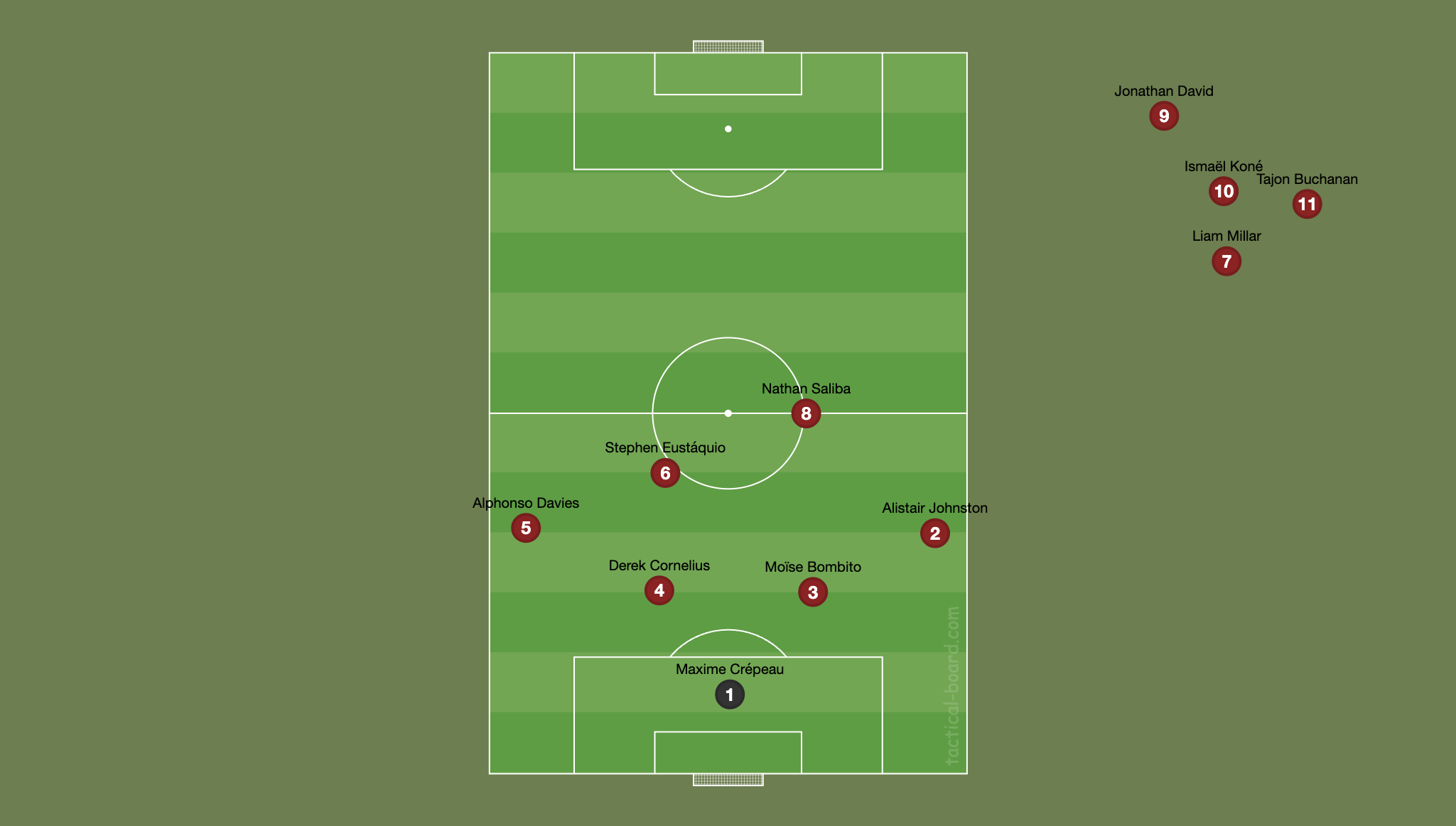
The structure begins with the back four and the midfield double pivot. Maxime Crépeau acts as the shot-stopping goalkeeper behind a centre-back pairing built for recovery speed. Derek Cornelius and Moïse Bombito give Canada enough athleticism to sustain a higher line, defend larger spaces, and survive the aggressive distances required in Jesse Marsch’s system.
The full-backs create the first layer of flexibility.
Alphonso Davies is the primary left-sided release. From left-back, he can carry the ball forward, overlap into the final third, and add an extra body to the attacking line without Canada needing to sacrifice a natural winger. His role gives the team vertical power from deep, but it also shapes the responsibilities of the players around him.
Alistair Johnston becomes the balancing piece on the opposite side.
His value is not simply that he stays back. It is that he can read the match state and choose whether to join the attack or structure the rest defence. When Canada have enough security behind the ball, Johnston can step forward, support the right side, and help the attack avoid becoming too left-heavy. But when Davies advances aggressively, Johnston can hold deeper, narrow inside, or become part of the protective base underneath possession.
That flexibility is crucial because Canada’s system cannot afford both full-backs attacking recklessly at the same time.
Eustáquio then becomes the reference point connecting those choices. Whether Canada settle into a more traditional double pivot, or adjust into a deeper anchoring structure, his positioning helps determine how the back line and midfield remain connected.
Beside him, Nathan Saliba gives Canada a calmer midfield connector.
Saliba’s role is to help control the next phase of possession. If Eustáquio provides the deeper reference, Saliba can link midfield into attack, giving Canada a more balanced route forward than simply forcing the ball wide or relying on transition.
The objective is simple: free Davies without breaking the structure.
Canada’s best version needs Davies to attack, but not at the cost of leaving the team exposed. Johnston decides when to join and when to secure. Eustáquio organises the base. Saliba connects the next layer. That is the platform Canada need before their attacking speed can fully emerge.
Eustáquio the Anchor
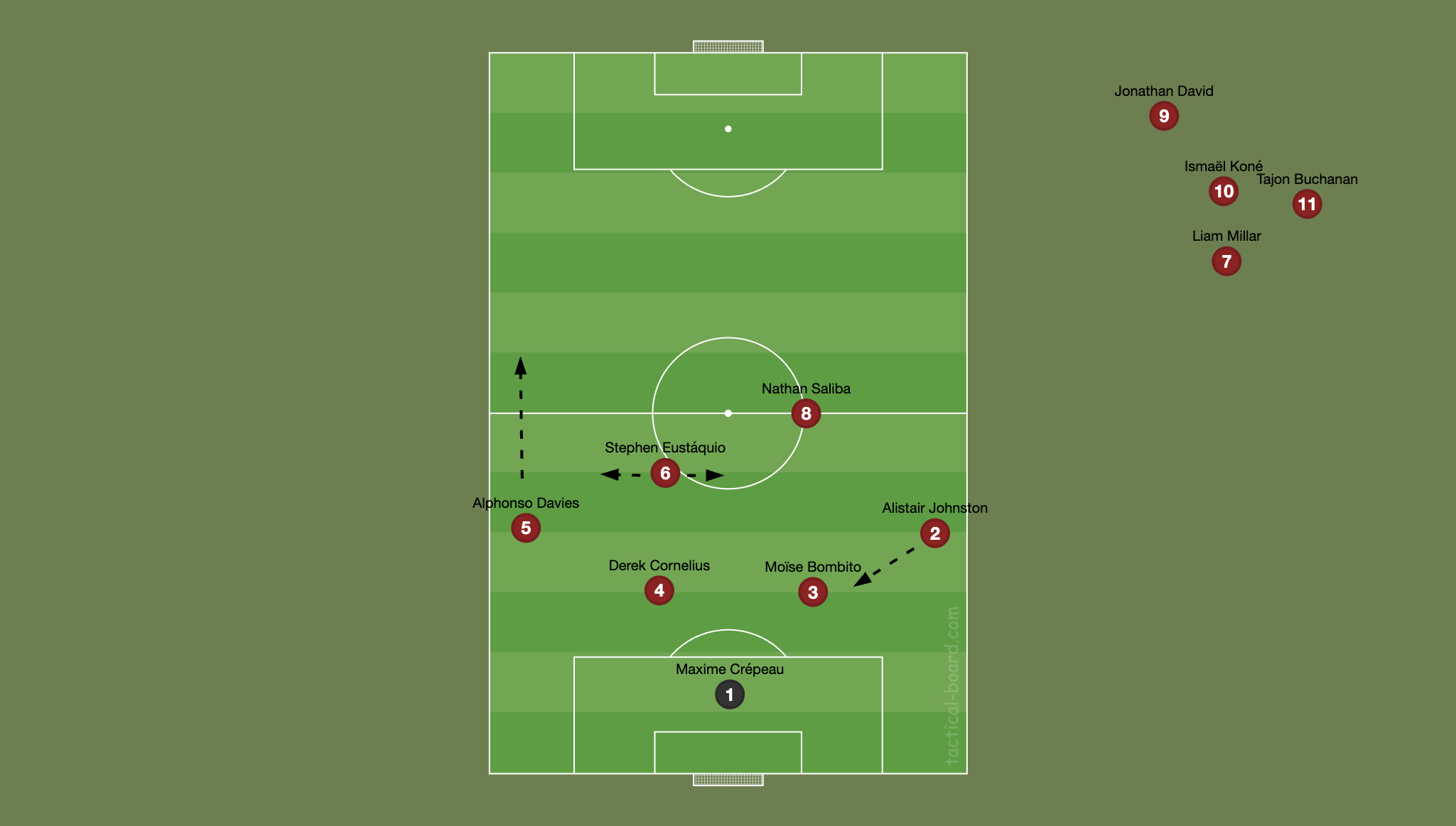
When Eustáquio anchors beside Saliba, Canada can form a more secure 3-2 rest defence behind the ball.
In this version, Johnston becomes the structural piece. He can tuck inside or stay deeper to complete the back three, allowing Davies to push higher on the left without leaving the defensive base exposed. Eustáquio then acts as the midfield reference point, connecting the first phase into midfield while still protecting the centre.
This gives Saliba more freedom to step forward as the tempo-setter, while Canada keep enough numbers underneath the attack to survive transitions.
Eustáquio the Half-Back
The half-back variation is more aggressive.
When central spaces become congested, Eustáquio can drop between the centre-backs and form the back three himself. That gives Canada a clearer passing reference from deep and allows both full-backs to advance at the same time.
This version gives Canada more width and attacking numbers, especially when they need to stretch a defensive block. The trade-off is that Saliba must become more responsible underneath the ball. With Eustáquio dropping deeper, Saliba becomes the main midfield protector and tempo controller in front of the rest defence.
So the structure shifts from a 3-2 base into a 3-1 base: more attacking freedom, but less midfield security.
Unlocking the Width
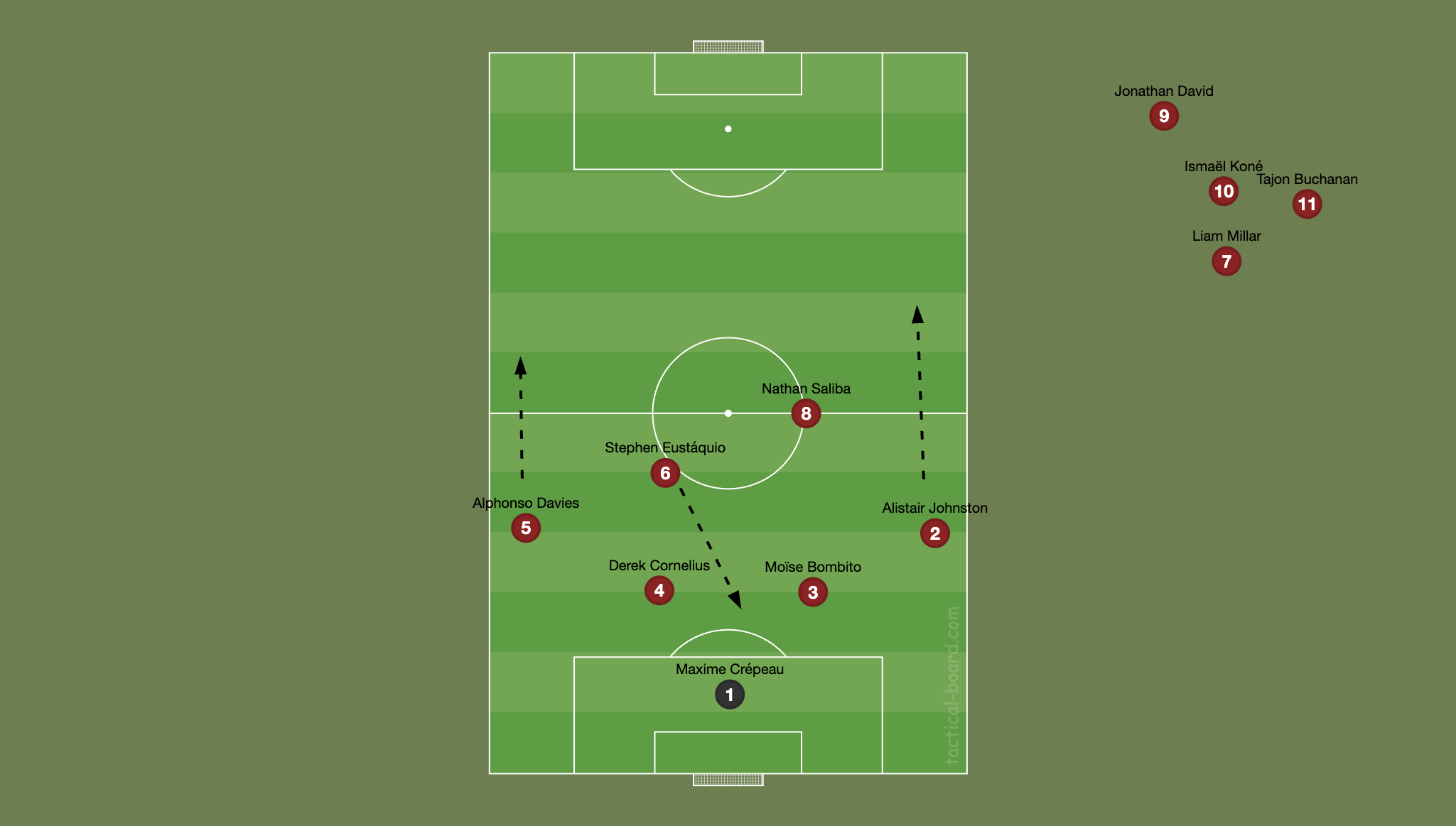
Canada’s clearest attacking outlet comes from wide-area aggression.
That begins on the left, where Davies remains the most important territorial weapon in the team. Whether he overlaps or underlaps, the principle is the same: force the opposition’s back line to defend movement outside and inside at the same time. If Davies drives beyond the winger, Canada can attack the byline and look for cut-backs. If he underlaps, he can crash into the left half-space and pull defenders inward.
That movement becomes especially important because Canada are not built around a traditional penalty-box target man.
Instead of simply crossing early and hoping for aerial dominance, the better route is to use width to open the centre. The left-sided combinations should create cut-back lanes for Koné, David, or the opposite-side runners arriving into the box. The objective is not just to reach wide areas. It is to use those wide areas to disturb the middle.
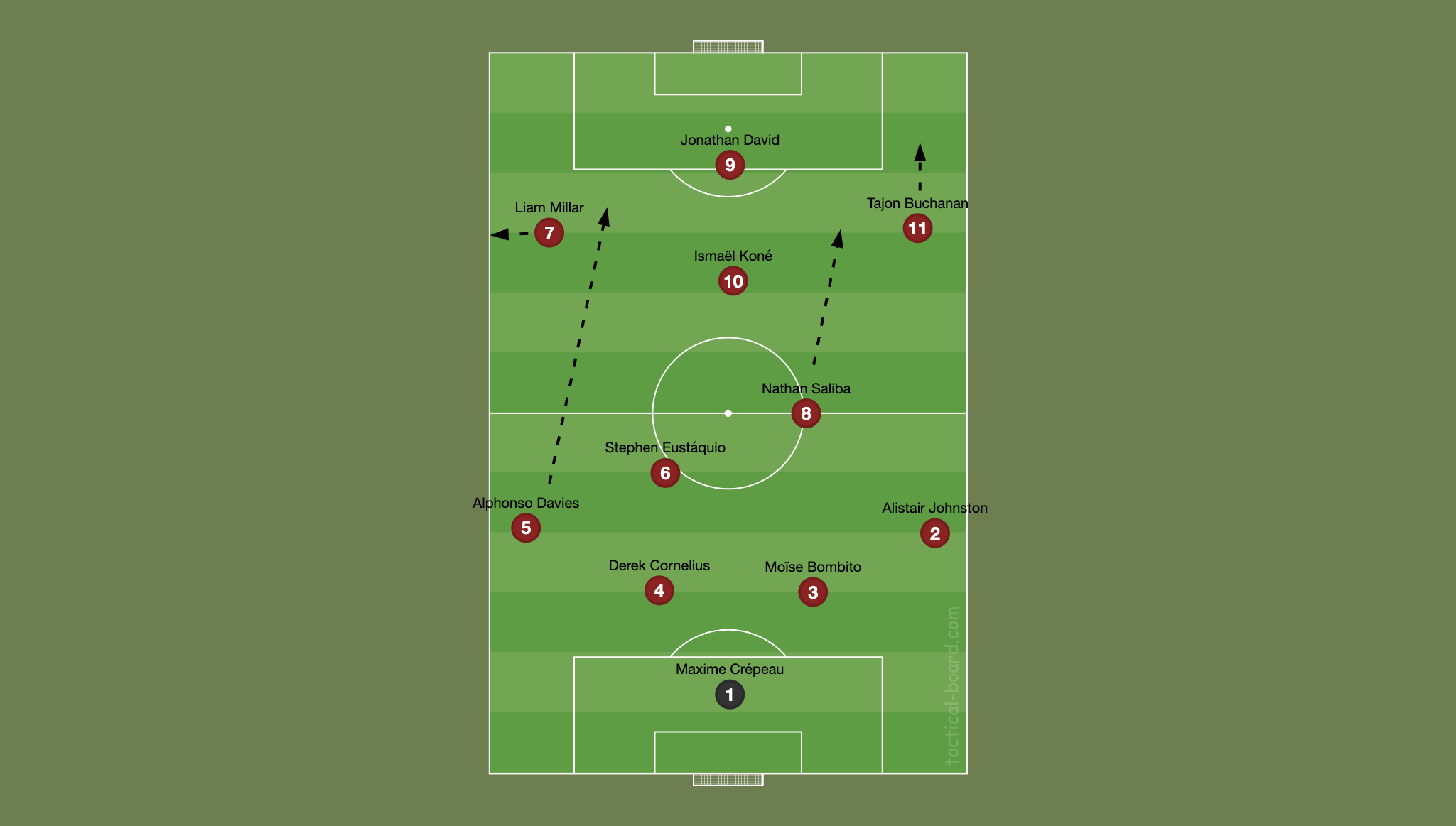
The same principle applies on the right, but through a different profile.
With Tajon Buchanan, Canada have a more traditional touchline winger: direct, explosive, and capable of beating defenders on the outside. Because of that, the right side needs stronger half-space occupation around him. If Buchanan is isolated too often, the attack can become predictable. But if Koné, Saliba, or David rotate into the right half-space, Canada can create overloads around his dribbling threat rather than leaving him to solve the entire flank alone.
Johnston’s role is more selective.
Most of the time, he should remain the stabiliser underneath the attack, especially when Davies is released aggressively on the opposite side. But in certain moments, Johnston can join the right channel as an early crosser or secondary wide option. If Buchanan is locked against the touchline, Johnston’s support can create the extra angle needed to turn a blocked wide attack into a crossing or combination opportunity.
This is the wider logic of Canada’s attack.
The width creates the first problem. The half-space runners create the second. The cut-back becomes the final reward.
The False 10 and the Forward Line
The key to this Canada set-up is the space between phases: attack-to-defence, defence-to-attack, pressure-to-release, and recovery-to-acceleration. After all, Jesse Marsch’s pressing machine is built around these specific match phases. What differentiates this tactic, however, is how the nominal shape deviates from Marsch’s usual preference for a 4-4-2 strike partnership.
There is a strong reason for that.
This system uses Ismaël Koné’s athleticism, versatility, and flair to compensate for missing pieces across multiple phases. In a way, Koné represents the equilibrium Canada can achieve in this side. It all starts in transition.
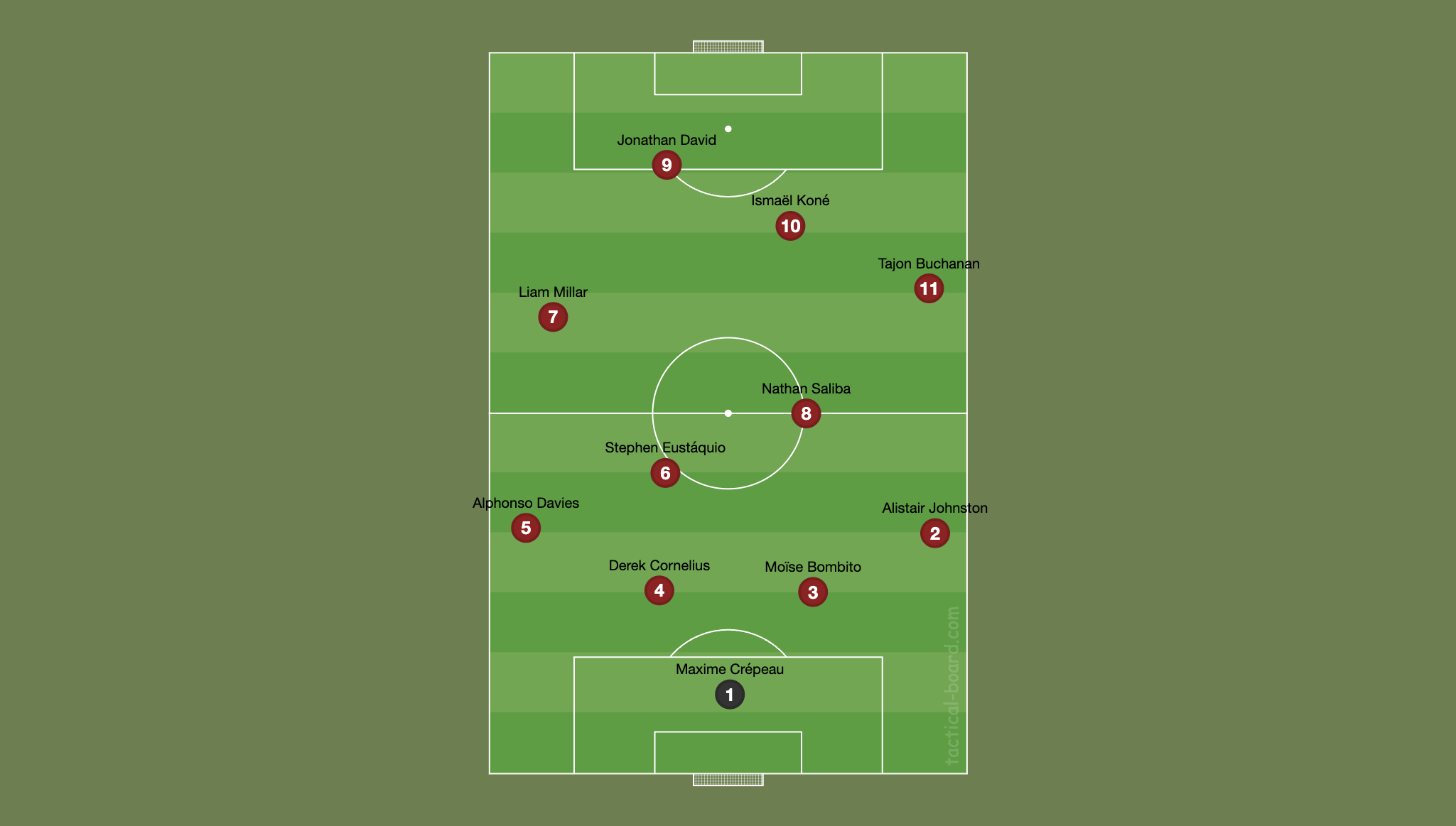
The First Phase
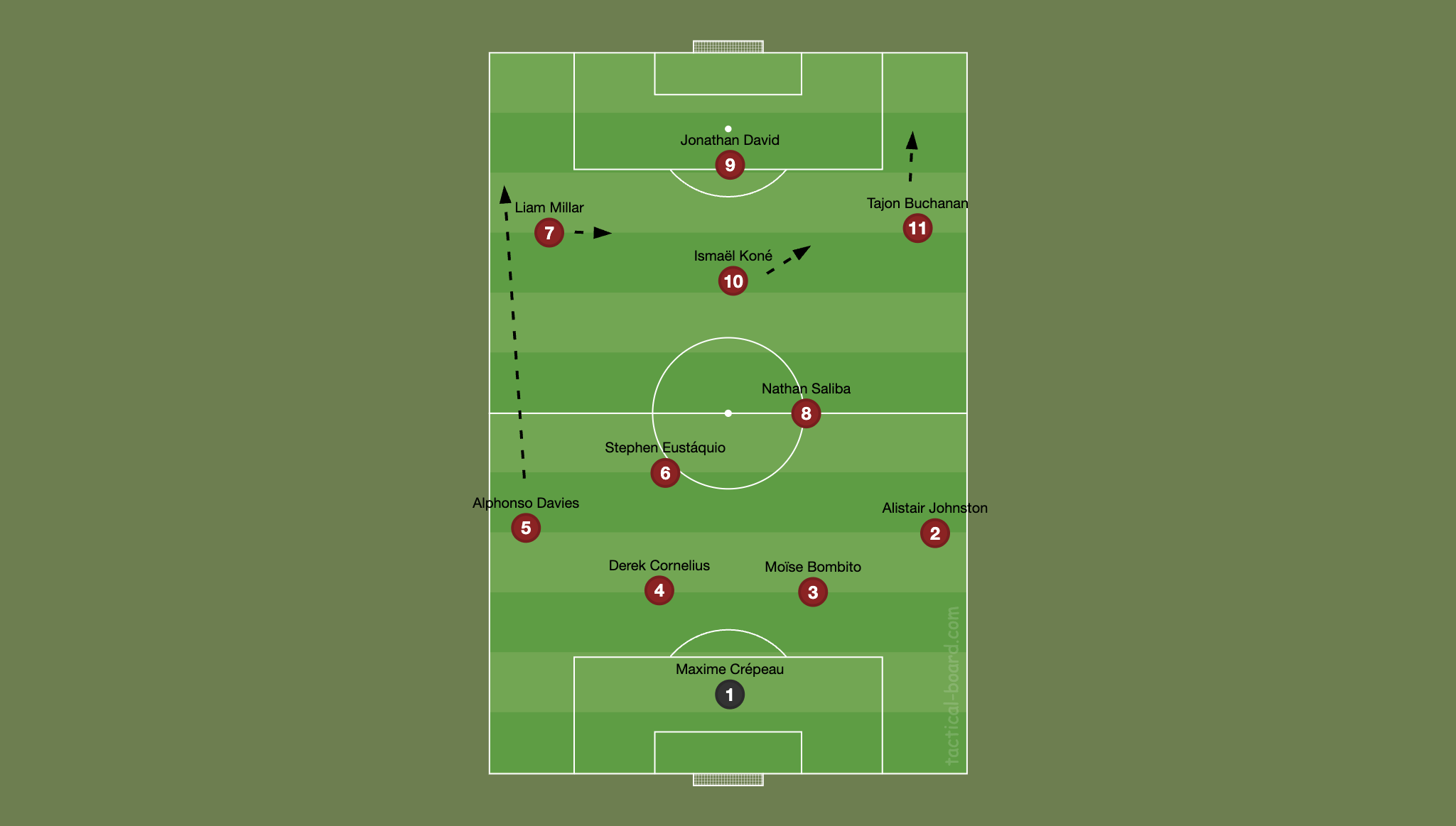
Although Canada begin nominally in a 4-2-3-1, Koné occupies the number ten space without functioning as a traditional ten. During the first phase of the attack-to-defence transition, he acts more like a secondary striker, becoming the first player to follow Jonathan David’s press.
His trigger is to occupy the opposite side of David’s pressing lane. Outside him, one winger drops, while the opposite winger converges into the press. This effectively creates a three-man first pressing wave.
It is not just intelligent pressing.
It is intense pressing, in line with the Jesse Marsch doctrine.
The Drop
If the first wave of pressure fails, Canada’s shape must drop without losing its transition threat.
Rather than asking Koné to retreat centrally into midfield, he maintains his secondary striker position alongside Jonathan David. The wingers then recover into the second line, creating a 4-4-2 block behind the front two.
This gives Canada a more compact defensive shape while preserving the platform for quick defence-to-attack transitions. David and Koné remain high enough to threaten the space ahead, while the midfield and wide players reset underneath them.
The Shift
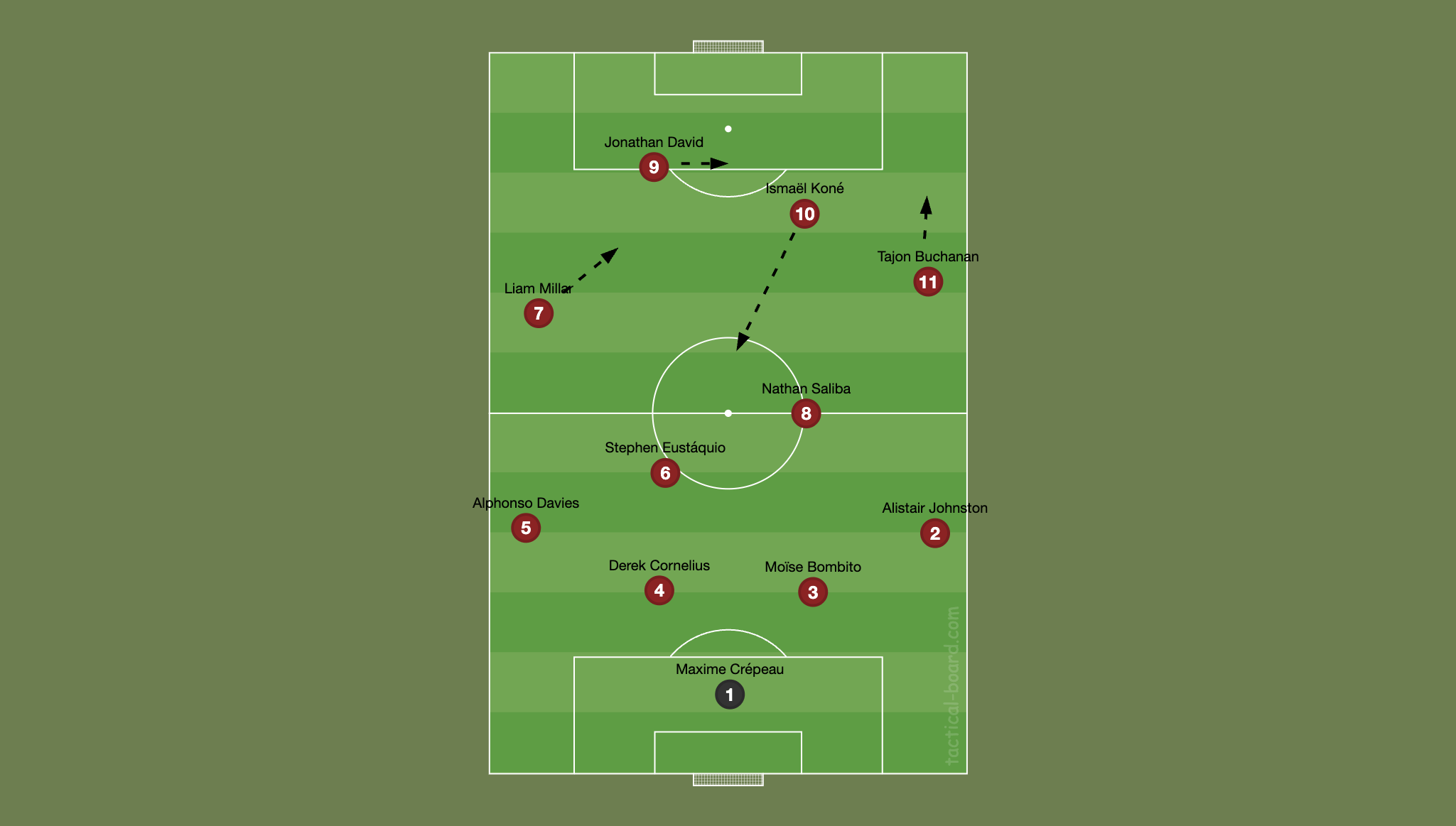
Once Canada win the ball back from the 4-4-2 block, the structure immediately becomes a transition platform.
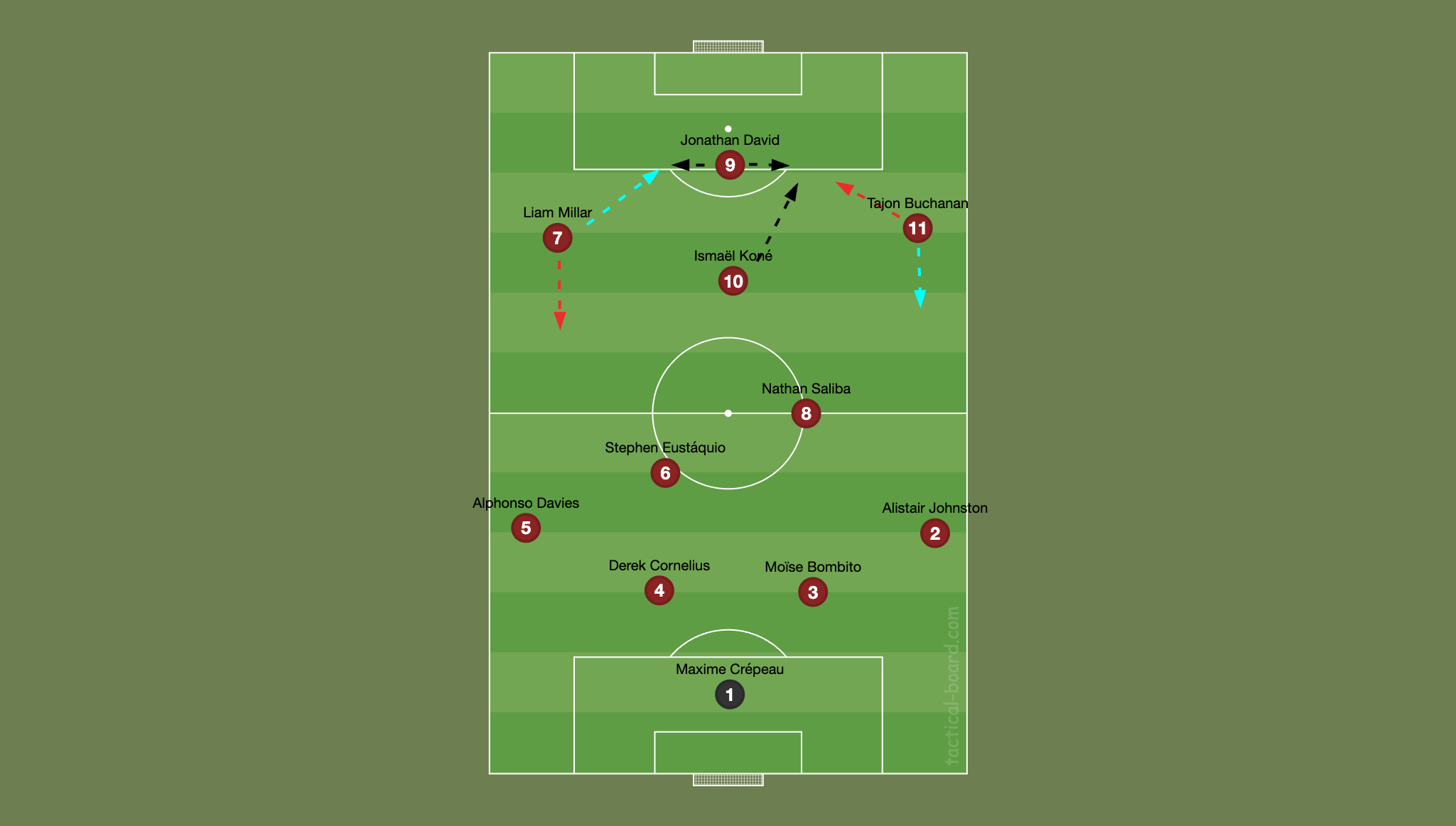
In this phase, Koné drops into the midfield zones to receive on the turn, either carrying the ball forward himself or releasing the next pass into the final third. His movement changes the rhythm of the attack, turning him from a secondary striker into the connective transition piece.
Ahead of him, Tajon Buchanan continues his wide run on the right to create crossing threat, while Liam Millar moves into the left half-space to receive between the lines. Jonathan David returns centrally as the reference point, giving Canada a target for cut-backs, combinations, or early service.
This is before even accounting for the possible surge of Alphonso Davies from left-back, which can add another attacking number and turn the transition into a full-field overload.
Equilibrium
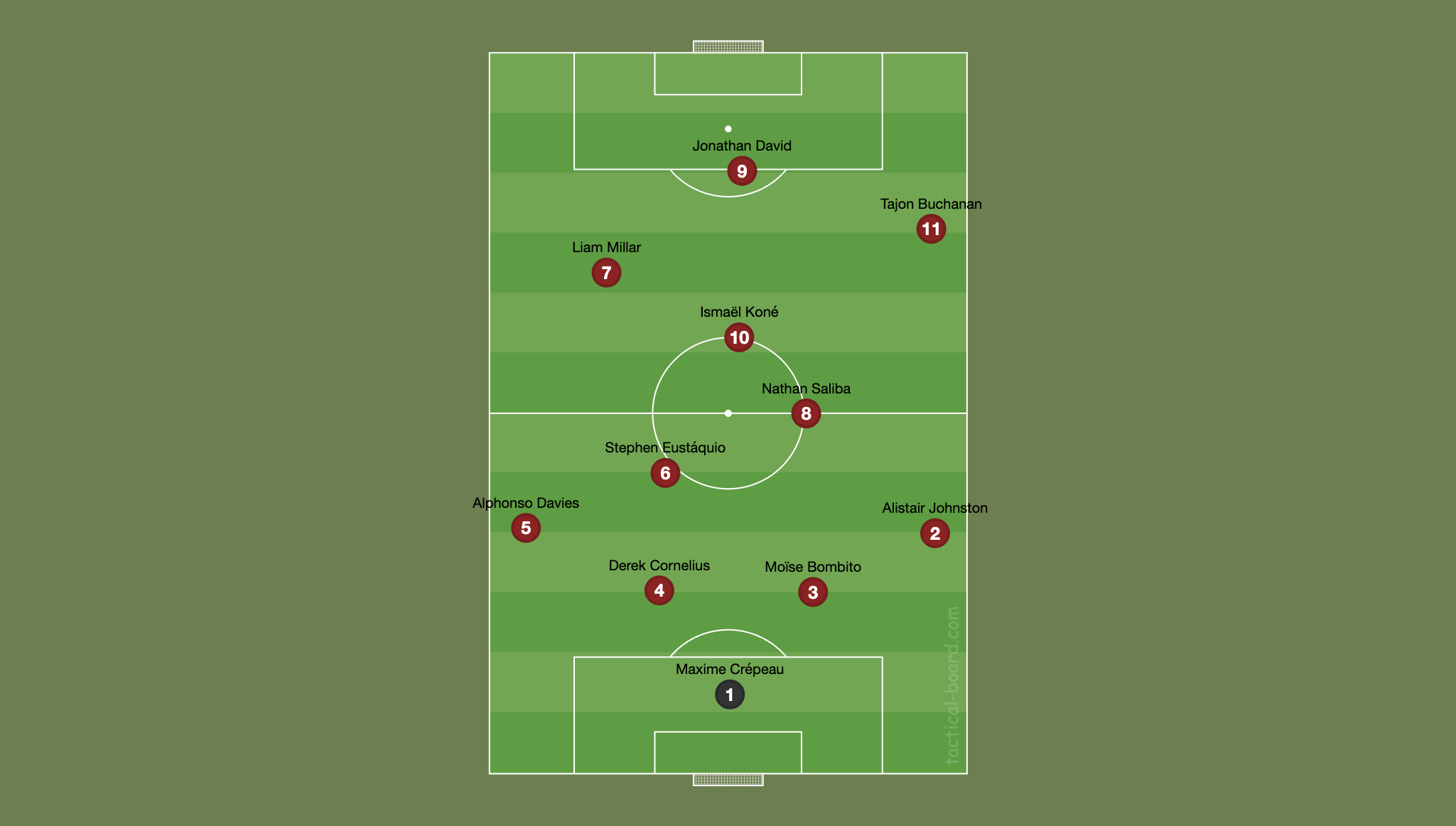
If the transition cannot be fully executed, Canada can settle back into a near-equilibrium shape resembling the nominal 4-2-3-1.
The difference is that the midfield becomes more compact. Eustáquio, Saliba, and Koné are positioned closer together, giving Canada a tighter central triangle to circulate, reset, or protect against an immediate counter. Ahead of them, the front three also remain connected rather than stretching too early.
This compactness gives Canada a safer fallback after the first transition wave.
At the same time, space remains open on the left side ahead of Davies. If the opponent overcommits centrally, Davies still has room to surge forward and turn a reset possession phase into another breakaway opportunity.
The Strike Partnership Trade-Off
This is where the proposal makes its clearest sacrifice.
Canada could lean into a more natural strike partnership, especially with Promise David beside Jonathan David. That version would give the team more penalty-box presence, more direct central running, and potentially even more intensity in the first line of pressure. It would also fit more naturally with Jesse Marsch’s usual preference for a front two.
But this setup chooses calibration over maximum force.
Jonathan David remains the central forward because his movement, pressing intelligence, and connective qualities allow Canada’s attack to stay linked across multiple phases. Instead of pairing him with an out-and-out striker, Koné becomes the false 10 who can recreate parts of the second-striker role without removing an extra midfielder from the structure.
That trade-off matters.
Promise David may offer a more natural out-and-out forward profile, but Koné gives Canada more control between zones. He can press beside David, drop into midfield, carry through transition, and help the team reset when the first attacking wave does not fully land.
So the system gives up one specialist striker to gain a player who helps connect the whole structure.
It is not the most aggressive version of Canada’s forward line. It may, however, be the most balanced. For a side still learning how to turn chaos into control, that sacrifice may be necessary.
Best-Case XI
Within the constraints of the announced squad, Canada’s strongest structure depends on a difficult assumption: that the key pieces can reach tournament fitness and match sharpness quickly enough.
That makes this best-case XI more conditional than most.
Several projected starters enter the World Cup window in some form of recovery, rhythm-building, or load-management phase. The pre-tournament friendlies may function less as a final tactical rehearsal and more as a test of who can physically handle the demands of Jesse Marsch’s system. Yet if Canada can get close to full strength, the squad selection does contain a coherent pathway toward the proposed structure.
The base begins with stability.
Maxime Crépeau provides the shot-stopping platform, while Derek Cornelius and Moïse Bombito give Canada the recovery speed needed to defend larger spaces. Around them, the full-back roles become central to the system’s asymmetry. Alphonso Davies remains the ceiling-raiser on the left, capable of turning deep possession into immediate territory. Alistair Johnston, meanwhile, becomes the balancing piece, either joining the attack selectively or securing the rest defence when Davies is released.
The midfield is built around connection rather than pure control.
Stephen Eustáquio remains the reference point underneath possession, capable of anchoring the midfield or dropping deeper as a half-back depending on the match state. Nathan Saliba becomes the calmer tempo bridge beside him, helping Canada connect midfield into attack rather than relying only on wide releases or transition moments.
The key selection choice comes ahead of them.
Ismaël Koné as the false 10 gives Canada a different kind of balance. A more natural strike partnership with Promise David beside Jonathan David would increase penalty-box presence and central running, but it would also reduce the extra midfield layer needed to connect Canada across phases. Koné allows the team to recreate parts of the second-striker function without fully abandoning midfield control.
That trade-off defines the front line.
Jonathan David remains the central forward because his movement, pressing intelligence, and connective qualities suit a system trying to calibrate across zones. Tajon Buchanan gives Canada the direct right-sided outlet, while Liam Millar offers a more varied left-sided profile capable of combining, moving inside, or opening lanes for Davies.
Ultimately, this best-case XI is not Canada’s most aggressive possible team.
It is their most balanced.
The structure does not fully optimise one single function. It attempts to connect several at once: pressing, transition, tempo control, wide release, and final-third occupation. For a team still learning how to turn energy into repeatable tournament behaviour, that balance may matter more than simply putting the most explosive names on the pitch.

Tournament Outlook
As the 2026 World Cup approaches, Canadian soccer faces a once-in-a-generation opportunity.
For a country still building its place in the global game, hosting the tournament is not only a sporting milestone. It is a chance to make the growth of Canadian soccer visible on the biggest stage the sport can offer.
Canada’s World Cup history remains short. In 1986, after a hard-fought qualifying campaign, the men’s national team reached the tournament for the first time. Then came thirty-six years of waiting. In 2022, Canada finally returned, this time as CONCACAF table-toppers, carrying one of the most exciting stories in the tournament.
Four years later, they arrive as hosts.
That changes the emotional weight of the tournament. Canada are still searching for their first World Cup point, and their only goals at the tournament remain limited markers of a much larger unfinished story. But 2026 is not about novelty anymore. It is about whether Canada can turn arrival into permanence.
The optimism is real, but it is not blind.
The run-in has been complicated by injuries, fitness concerns, and disrupted rhythm across important parts of the squad. For a team built on intensity, pressing, and transition speed, those setbacks matter. Canada cannot simply rely on emotion, home support, or the symbolic power of hosting. They must arrive sharp enough to make their aggression sustainable.
Still, Canadian soccer has rarely been built through perfect conditions.
Its story has always involved distance, weather, delayed infrastructure, immigration, resilience, and the willingness to keep pushing after setbacks. That broader spirit now sits beneath the national team. Canada enter the group stage not merely hoping to survive, but believing they can fight for wins.
The group makes that belief realistic, but not comfortable.
Bosnia, Switzerland, and Qatar all present different challenges, and Canada will likely need more than one emotional performance to advance. They must manage physical battles, low-block phases, transitional moments, and the pressure of playing at home. In a group where margins may be tight, the difference between a historic breakthrough and another lesson could be one moment of control.
That is why this tournament matters beyond the results alone.
Over the last half-decade, Canada have started to form a clearer soccer identity. The 2022 cycle proved they could arrive. The 2026 cycle asks whether they can compete with greater maturity. Jesse Marsch’s current phase is about showing that Canada can go toe to toe with stronger nations, not only through passion and athleticism, but through structure, adaptability, and belief that survives pressure.
The longer project now stretches beyond this tournament.
With Marsch’s tenure positioned across the 2030 cycle, 2026 may become both a test and a platform: the moment Canada prove their rise is not temporary, and the foundation for a deeper run later in the decade.
But first, there is a simpler challenge.
Win a World Cup point. Win a World Cup match. Give the home crowd something tangible to carry forward.
For Canadian soccer, the next round is not just about escaping the group.
It is about proving that the country is no longer passing through the World Cup.
It is trying to belong there.

 | A guest post by
|