The Post-Pogba Machine
National Blueprints, World Cup 2026: France

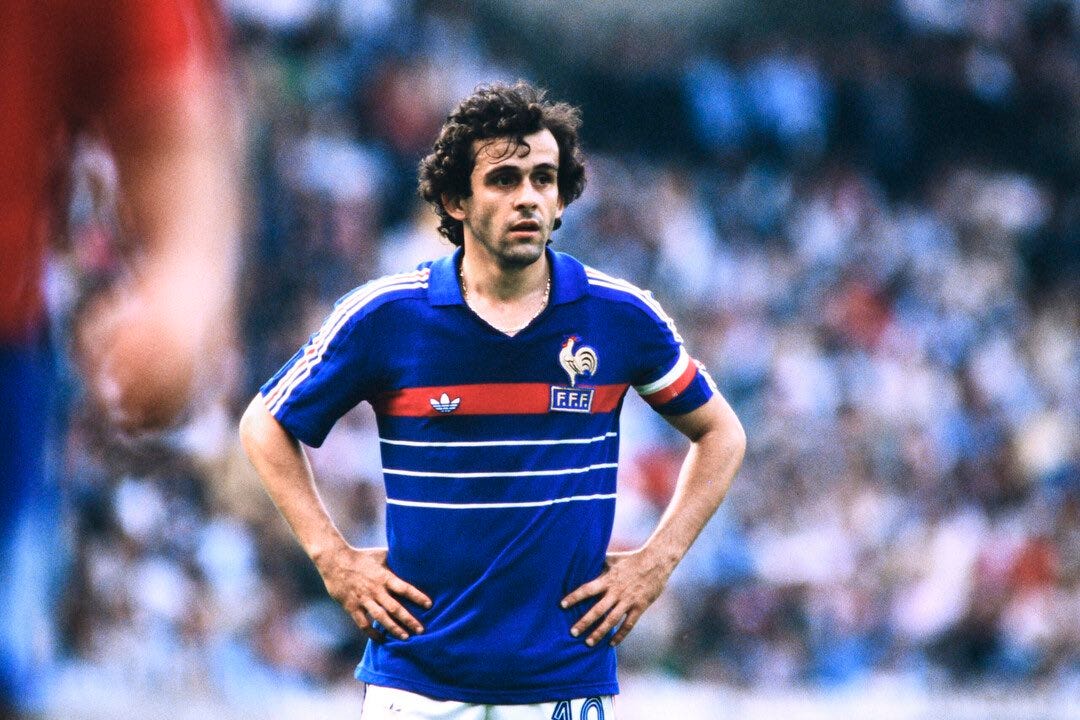
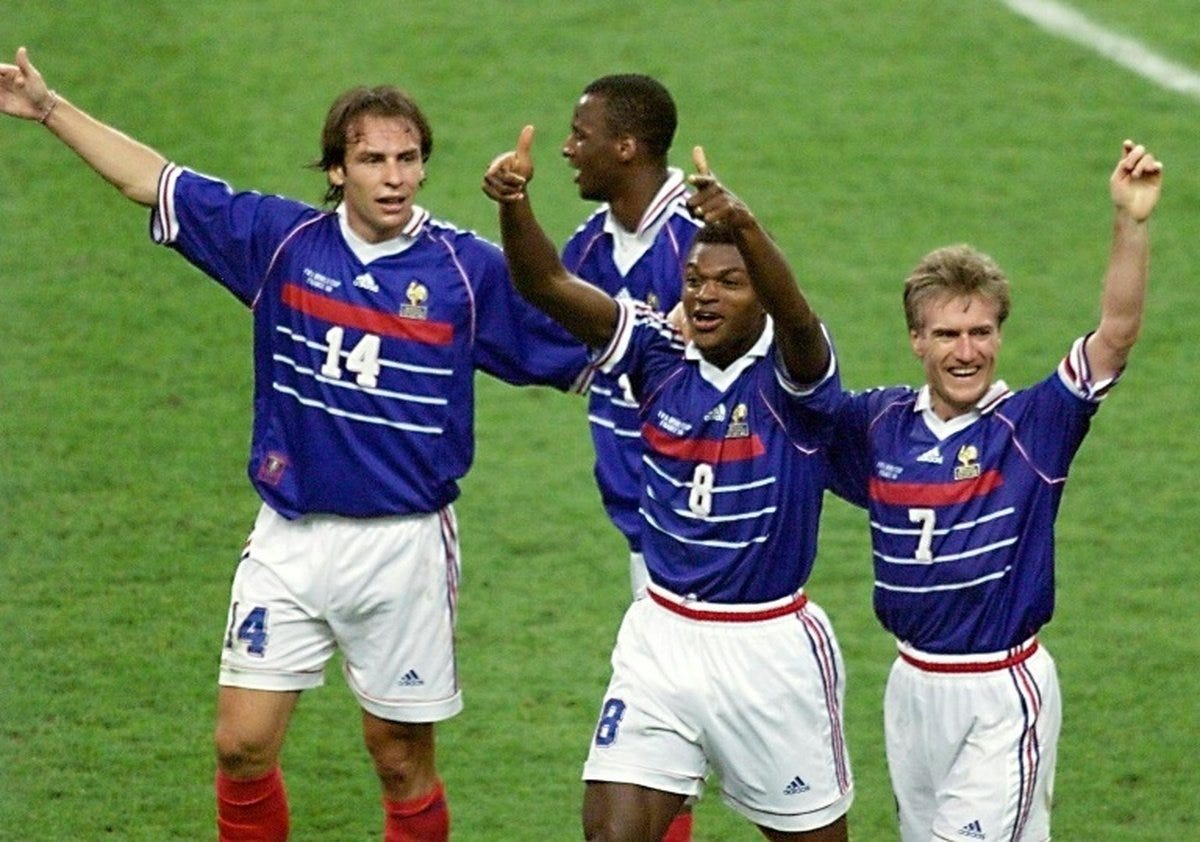
French football has long existed in cycles of overwhelming power. From the artistic brilliance of Michel Platini’s generation in the 1980s, to the multicultural revolution of Black, Blanc, Beur in 1998, to the modern dominance of Didier Deschamps’s era, France have gradually transformed themselves into international football’s most consistent tournament machine.
For much of the twentieth century, however, France’s footballing identity existed more prominently at club level than internationally. Despite producing iconic players and tactically influential sides, sustained success with the national team remained elusive until the emergence of Platini’s France in the 1980s, where Les Bleus finally captured their first major international honours and discovered what the national team itself could become.
What followed was the construction of a modern football superpower.
Between 1998 and 2022, France reached four World Cup finals across seven tournaments, winning two of them while rarely collapsing beneath expectation. Even amidst periods of transition, their tournament consistency remained extraordinary. Since Euro 2000, France have failed to reach the quarter-finals of a European Championship only twice across seven editions. No nation in modern football has combined elite player production, physical supremacy, and tournament resilience quite like France.
Ahead of the 2026 World Cup, they arrive once again as one of the favourites.
Kylian Mbappé remains the gravitational centre of the side, supported by perhaps the deepest attacking pool in international football. Around him stands a new generation of overwhelming athletic profiles, transitional monsters, and structurally versatile defenders capable of surviving almost any physical battle modern football can produce.
And yet, beneath France’s terrifying surface lies a growing contradiction.
For all their speed, power, and attacking chaos, this modern French side increasingly lacks the midfield conductor that once connected previous generations together. Paul Pogba’s gradual disappearance from the national team did not merely remove a player. It removed the bridge between France’s defensive machine and attacking destruction.
France temporarily softened this transition through Antoine Griezmann’s tactical reinvention deeper between midfield and attack, where his connective movement and relentless work rate helped stabilise the machine across multiple tournaments. But even that adaptation increasingly felt like a structural compromise rather than a permanent solution.
Now, as France attempt to become only the third nation in history to reach three consecutive World Cup finals, Didier Deschamps faces a defining question:
Can France continue controlling world football through physical and transitional dominance alone, or does every great machine eventually require a conductor at its centre?
Identity & Historical Context
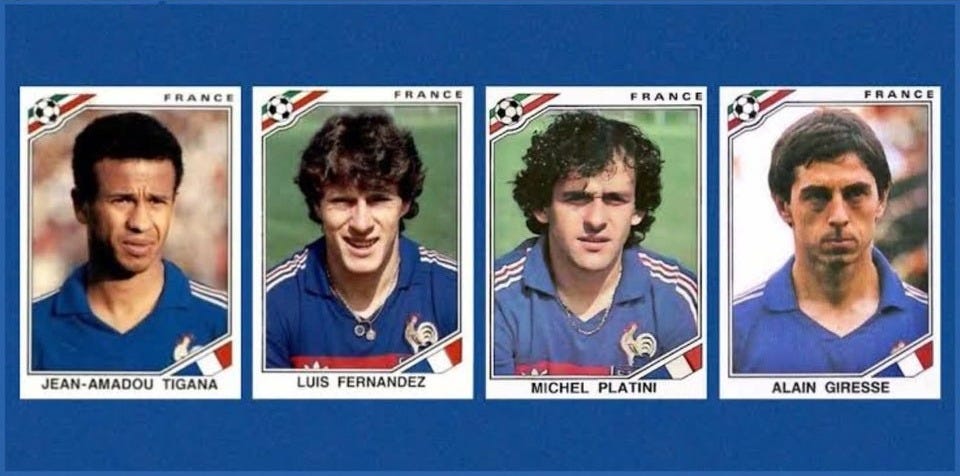
French football has long existed through the tension and unity between flair and function. From Just Fontaine’s goalscoring brilliance in 1958, to Michel Platini and the Carré Magique of the 1980s, to the physically dominant tournament machines of the modern era, France have consistently evolved without ever fully abandoning either side of their footballing identity.
For much of the twentieth century, however, French football’s influence emerged more prominently through clubs, tactical ideas, and player development than through sustained international dominance. While neighbouring nations often defined themselves through singular footballing ideologies, France instead became a meeting point of contrasts: athleticism and artistry, improvisation and structure, physicality and technique.
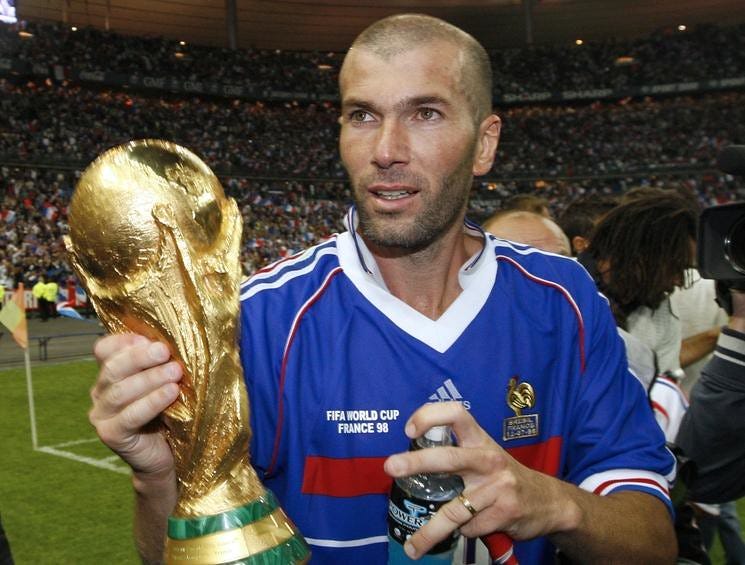
The turning point arrived during the 1980s under Platini’s generation, where France captured their first major international honours and discovered what the national team itself could become. Yet it was the 1998 World Cup victory on home soil that fully transformed France into a modern football superpower. The Black, Blanc, Beur generation symbolised not only multicultural France, but the emergence of a footballing machine built from the country’s immense social, athletic, and cultural diversity.
What followed was not an isolated golden generation, but an industrialisation of elite football production itself.
Clairefontaine, academy infrastructure, suburban football culture, and France’s global diaspora pathways gradually produced perhaps the deepest talent ecosystem in world football. Across multiple generations, France evolved into a nation capable of reproducing athletic monsters, technical creators, transitional destroyers, and tactically versatile defenders almost endlessly.
That evolution eventually culminated in Didier Deschamps’s modern France: a side less obsessed with aesthetic dominance than tournament survivability itself. Between 1998 and 2022, France reached four World Cup finals across seven tournaments, winning two of them while consistently remaining among the final contenders standing.
Yet as the modern game increasingly demands collective compactness, pressing synchronisation, and midfield control, France now face a new contradiction beneath their overwhelming physical superiority.
The Modern Problem
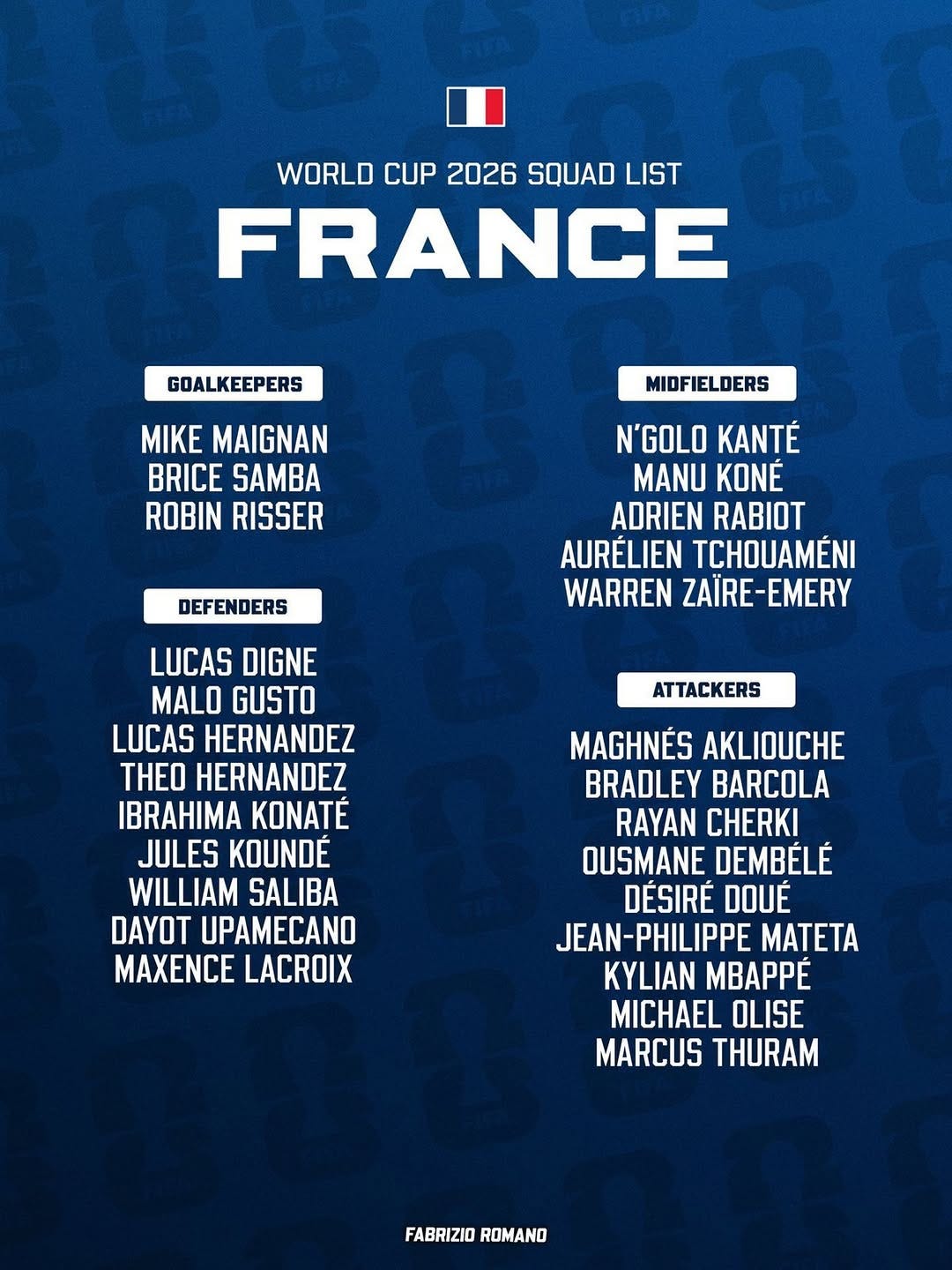
Didier Deschamps announced a mostly predictable squad for his France side. Although a few notable omissions and emerging names appear, the underlying philosophy remains unmistakable: physical dominance, transitional aggression, and tournament pragmatism above all else.
At first glance, the squad appears overwhelming. France possess perhaps the deepest collection of athletic and attacking profiles in international football, supported by a defensive core capable of surviving enormous spaces in isolation.
Yet beneath that terrifying surface lies a growing structural tension.
Modern France increasingly resemble two separate systems operating simultaneously: the stabilising defensive machine underneath the ball, and the explosive attacking chaos unit ahead of it. As creativity gradually migrates higher up the pitch and midfield orchestration becomes less natural within the squad, France now face three interconnected contradictions entering the 2026 World Cup.
The Mbappé Protection Problem
France have historically constructed their systems around protecting transcendent talent.
In 1984, Michel Platini operated within the balance of the Carré Magique. In 1998, Zinedine Zidane’s creative freedom was stabilised through physically dominant midfield support behind him. Even during the 2018 World Cup triumph, Blaise Matuidi’s weak-side coverage and Antoine Griezmann’s immense defensive work rate helped compensate structurally for Kylian Mbappé’s reduced defensive burden.
Now, however, the challenge becomes more complicated.
Mbappé remains the gravitational centre of the French attack, but the modern front line surrounding him is increasingly fluid, rotational, and offensively ambitious itself. Rather than compensating for a singular free creator, France must now balance multiple destabilising profiles simultaneously while still protecting the spaces left exposed beneath them.
This contradiction has always existed within French football. The difference in 2026 is that the solution can no longer simply be physical coverage alone. It must become structural.
The Tempo Control Problem
For all of France’s athletic superiority, the current squad lacks a natural deep tempo controller capable of manipulating rhythm through sustained circulation and positional calm.
Modern France possess ball-winners, carriers, duel specialists, and transition monsters, but not a midfielder naturally inclined toward slowing the game down and dictating its emotional pace. Aurélien Tchouaméni provides defensive authority and aggressive ball recovery. Warren Zaïre-Emery offers connective movement, physical coverage, and progressive carrying. Manu Koné brings transitional intensity and duel-winning presence, while Adrien Rabiot operates more as a vertical box-to-box runner than a true orchestrator.
Yet none naturally function as metronomes.
In moments requiring composure, control, or territorial suffocation, France often appear more reactive than proactive, waiting for the opponent’s mistake rather than fully engineering the rhythm themselves.
As a result, France increasingly play matches according to transitional cues rather than controlled tempo shifts.
When leading, the side can struggle to fully close games down through possession permanence. When chasing goals, they often accelerate the match aggressively rather than gradually manipulating defensive structures apart. Much like in tennis, France frequently thrive through forced and unforced errors created by pressure and athletic intensity rather than through patient construction of outright “winners.”
The Front Line Overload
France’s attacking depth may be unmatched internationally. Yet abundance itself creates a new tactical dilemma.
Each profile offers a radically different interpretation of the modern attacker.
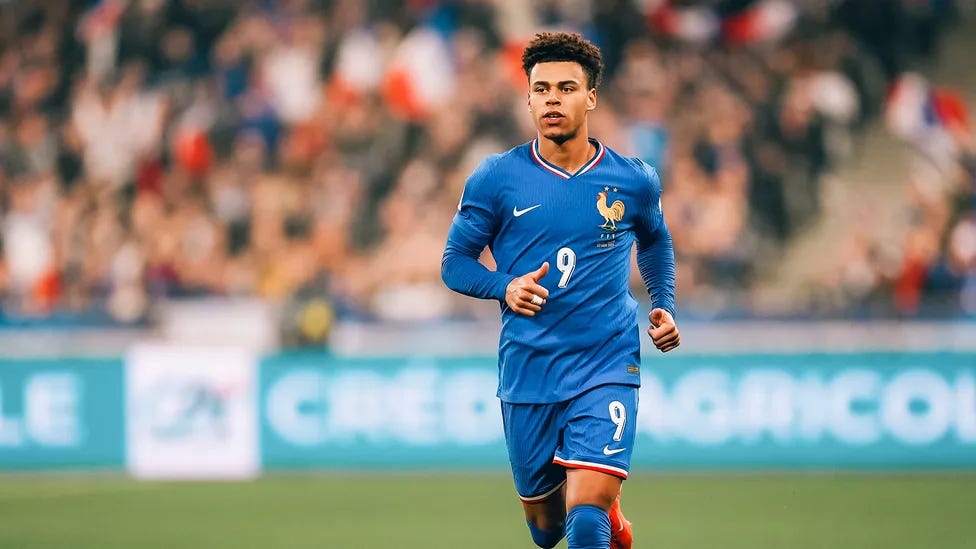
Rayan Cherki and Maghnès Akliouche provide more traditional creative playmaker qualities adapted for modern positional football. Marcus Thuram operates closer to a classical striker profile. Bradley Barcola combines the elasticity of a traditional winger with the penetration of an inverted forward. Désiré Doué brings improvisation, bravery, and technical chaos both centrally and from wider zones.
Meanwhile, Michael Olise and Ousmane Dembélé perhaps embody France’s modern attacking evolution most clearly. Both can operate centrally or from the wing, but their optimal roles increasingly diverge from Didier Deschamps’s current usage. At club level, Dembélé has evolved into a uniquely effective false-nine and second-striker hybrid, while Olise has become one of Europe’s most devastating inverted right wingers at Bayern Munich.
Yet internationally, Deschamps continues utilising Dembélé primarily in his older chaos-winger role while positioning Olise more centrally as a number ten.
That leaves France with a defining question entering 2026:
Not whether they possess enough attacking talent, but which combination best connects chaos back toward structure.
The Tactical Proposal
France’s challenge is to optimise their attack for both chance creation and chance conversion whilst simultaneously preventing the defensive labour burden from falling entirely onto the defensive unit alone.
That balance becomes especially important within the context of tournament football.
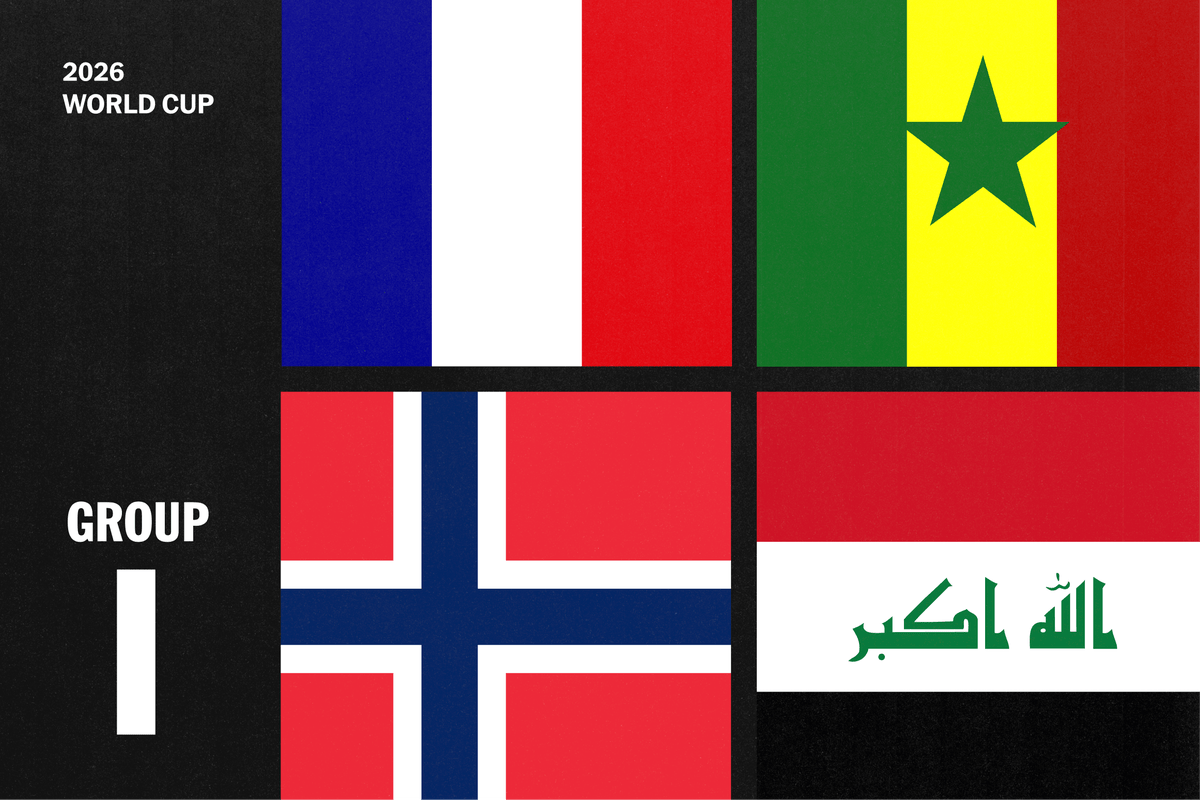
Against the lower blocks France are likely to encounter during the group stage, breaking down compact defensive structures becomes the central pain point. Under the modern third-place qualification format, draws carry enormous value for smaller nations, meaning opponents such as Iraq, and to an extent Norway, are likely to approach matches pragmatically and prioritise defensive survival above territorial ambition.
Iraq present the clearest low-block challenge.
In those matches, France’s lack of a natural deep tempo controller may become most visible. Without midfielders naturally inclined toward manipulating compact structures through circulation and positional patience, the burden shifts toward the front line itself. France’s attackers must improvise solutions dynamically through movement, dribbling, rotations, and destabilisation rather than relying on surgical progression from deeper zones. Ironically, this may also reduce the defensive burden placed upon France’s destroyer profiles underneath the ball, as Iraq themselves are unlikely to sustain prolonged midfield advancement phases.
Norway present a different contradiction entirely.
While more cautious structurally, they possess enough attacking quality through Erling Haaland and transitional moments to psychologically limit France’s territorial aggression. Norway are unlikely to leave large spaces consistently behind their defensive structure, but they remain capable of punishing overcommitment if France lose control of defensive transitions.
Senegal, meanwhile, may stylistically suit France the most.
Their aggressive pressing approach and willingness to engage physically higher up the pitch naturally create larger transitional spaces for France’s attacking profiles to exploit. Against opponents willing to open the match territorially, France’s athletic superiority and attacking chaos become significantly more dangerous.
Yet the deeper tension may emerge later in the tournament.
As knockout football progresses, France may actually struggle less stylistically against stronger opposition than against lower blocks earlier in the competition. Elite knockout matches naturally produce more balanced territorial exchanges, more aggressive pressing sequences, and more moments of transitional exposure. In those environments, France’s pragmatic structure and athletic explosiveness become easier to weaponise.
But even there, the contradiction remains delicate.
Against teams that fully concede space, France struggle to break compactness apart consistently. Against teams that leave space behind, France become devastating, but only if transitional moments are executed before defensive recovery structures reset themselves. Otherwise, France can still become rushed and unstable in sustained possession despite the space available.
Ultimately, France’s ceiling may depend on whether they can marginally improve their in-possession control without sacrificing the transitional chaos that makes them terrifying in the first place.
The Defensive Platform
For France to optimise the separation between their attacking and defensive units, the structure beneath the ball must function as a permanent safety net.
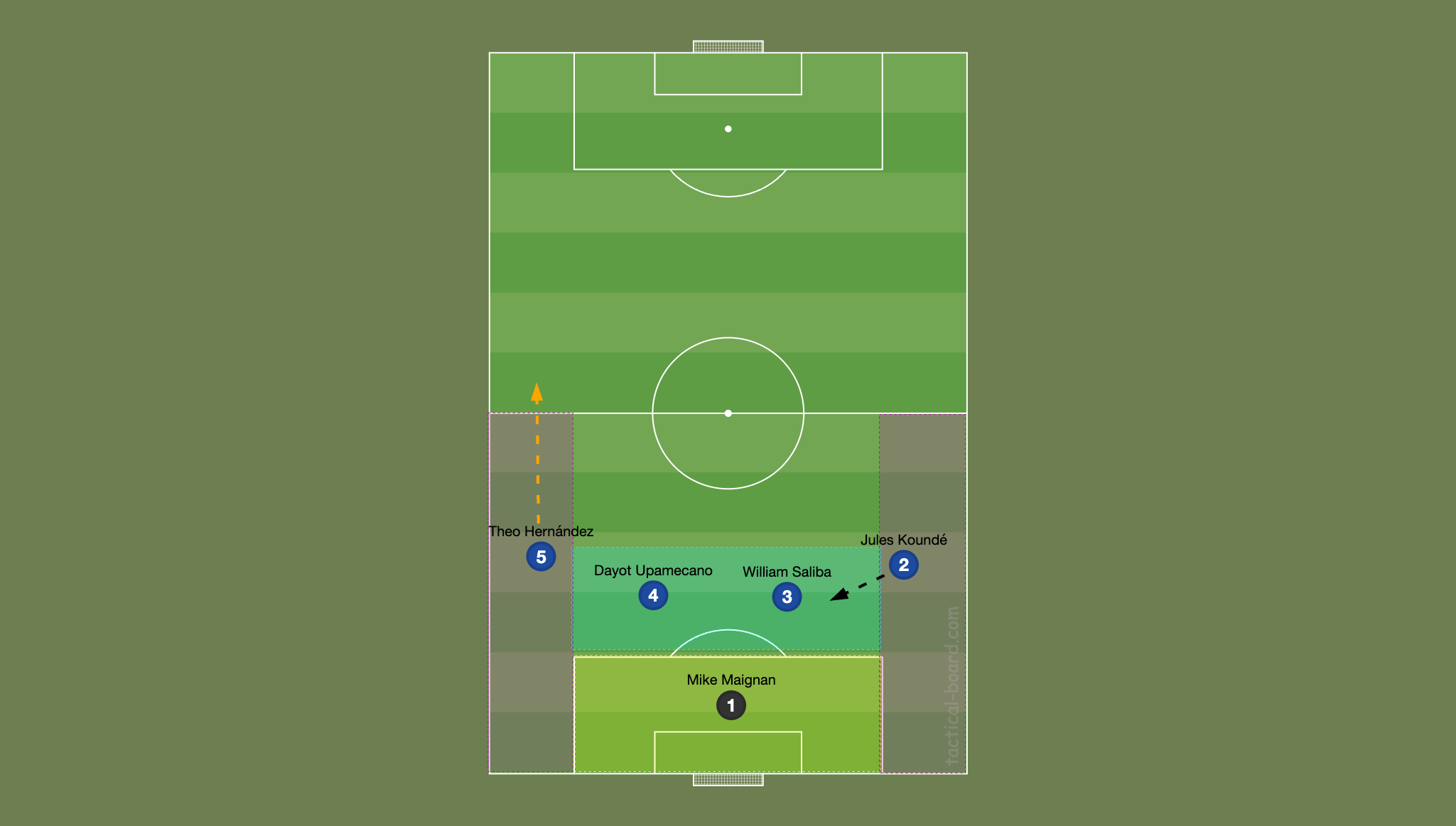
At the base of the system sits a technically secure defensive core. Mike Maignan, Dayot Upamecano, William Saliba, and Jules Koundé are not necessarily hyper-creative distributors, but they are composed, stable, and highly secure in circulation. Their role is not to force progression recklessly, but to preserve structural integrity long enough for France’s attacking unit to fully unleash itself higher up the pitch.
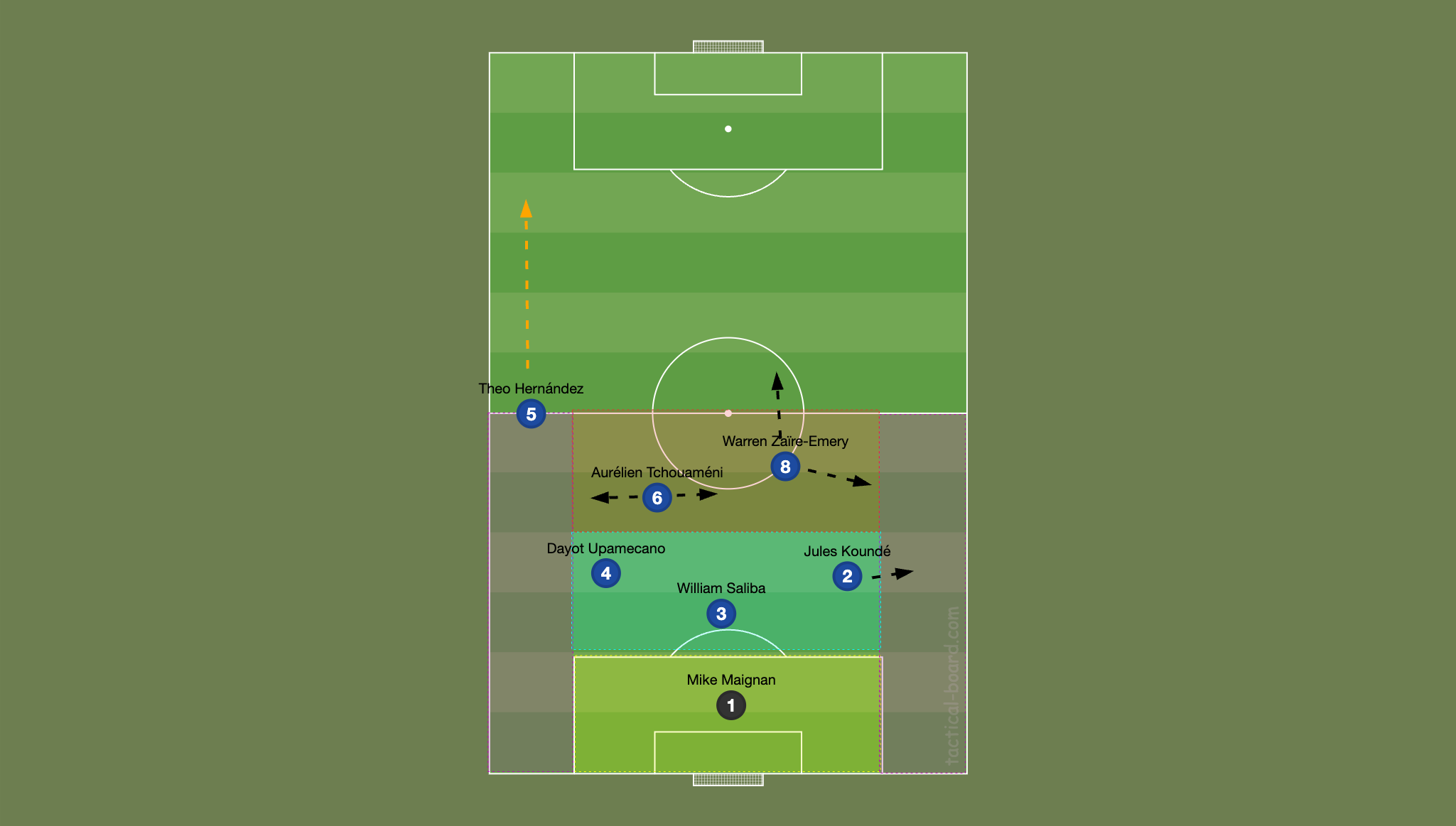
Once possession settles, France naturally morph into a situational back three.
This transformation is heavily shaped by the contrasting tendencies of Theo Hernández and Jules Koundé. Hernández aggressively attacks vertical space on the left side, whilst Koundé narrows deeper alongside the centre-backs to stabilise defensive transitions and preserve rest defence coverage. The result is a 3-2 foundational structure designed to compress space underneath the ball whilst still maintaining France’s explosive attacking outlets ahead of it.
What matters most in this phase is controlled circulation without exposing the spine of the team.
France are not attempting to dominate matches through endless positional possession. Instead, the defensive platform exists to ensure that the attacking unit can operate with greater freedom without constantly exposing the structure underneath it.
The Initial Shape
France’s initial buildup shape is designed to create security before aggression.
Rather than immediately committing numbers forward, the first objective is to stabilise possession through a narrow defensive platform capable of resisting early transitional pressure. As Theo Hernández begins pushing higher on the left side, Jules Koundé naturally tucks inward alongside Upamecano and Saliba, temporarily reshaping the nominal back four into a situational back three.
This asymmetry is intentional.
Hernández provides the vertical threat and progressive width, whilst Koundé functions as the structural counterbalance underneath the ball. The result is a defensive platform that remains compact enough to survive counters whilst still stretching the pitch asymmetrically through Theo’s advanced positioning.
At this stage of possession, France are not yet attempting to fully accelerate the match.
The objective is to establish territorial stability first, forcing opponents to compress deeper before the attacking unit ahead of the ball begins exploiting transitional gaps and isolated duels.
The Consolidated Unit
Eventually, the structure converges into a complete defensive unit once the midfield enters the picture.
The combination of the midfield pair alongside the widened centre-backs creates layered protection underneath the ball, allowing France to consistently generate defensive overloads and transitional buffers across central zones. Rather than relying purely on isolated duels, the structure attempts to manufacture constant 2v1 situations around the ball after possession loss.
Aurélien Tchouaméni acts as the anchor of the system in possession. His role is not necessarily to dictate tempo creatively, but to stabilise circulation and distribute possession toward France’s more explosive profiles. Whether laying the ball off toward Theo Hernández’s vertical surges or connecting through Warren Zaïre-Emery, Tchouaméni becomes the balancing reference point holding the structure together underneath the attack.
Alongside him, Zaïre-Emery operates as the system’s connective runner.
Because the back three and Tchouaméni naturally form a defensive diamond beneath the ball, Zaïre-Emery receives the license to advance just enough to merge the defensive and attacking units together. His athleticism, recovery capacity, and transitional mobility allow France to compress space aggressively without fully disconnecting the structure between buildup and attack.
The objective is not complete positional domination.
It is controlled compression: keeping France compact enough defensively that their attacking chaos can emerge without immediately destabilising the rest of the system.
The Left-Sided Vertical Surge
France’s most explosive attacking sequences emerge down the left side.
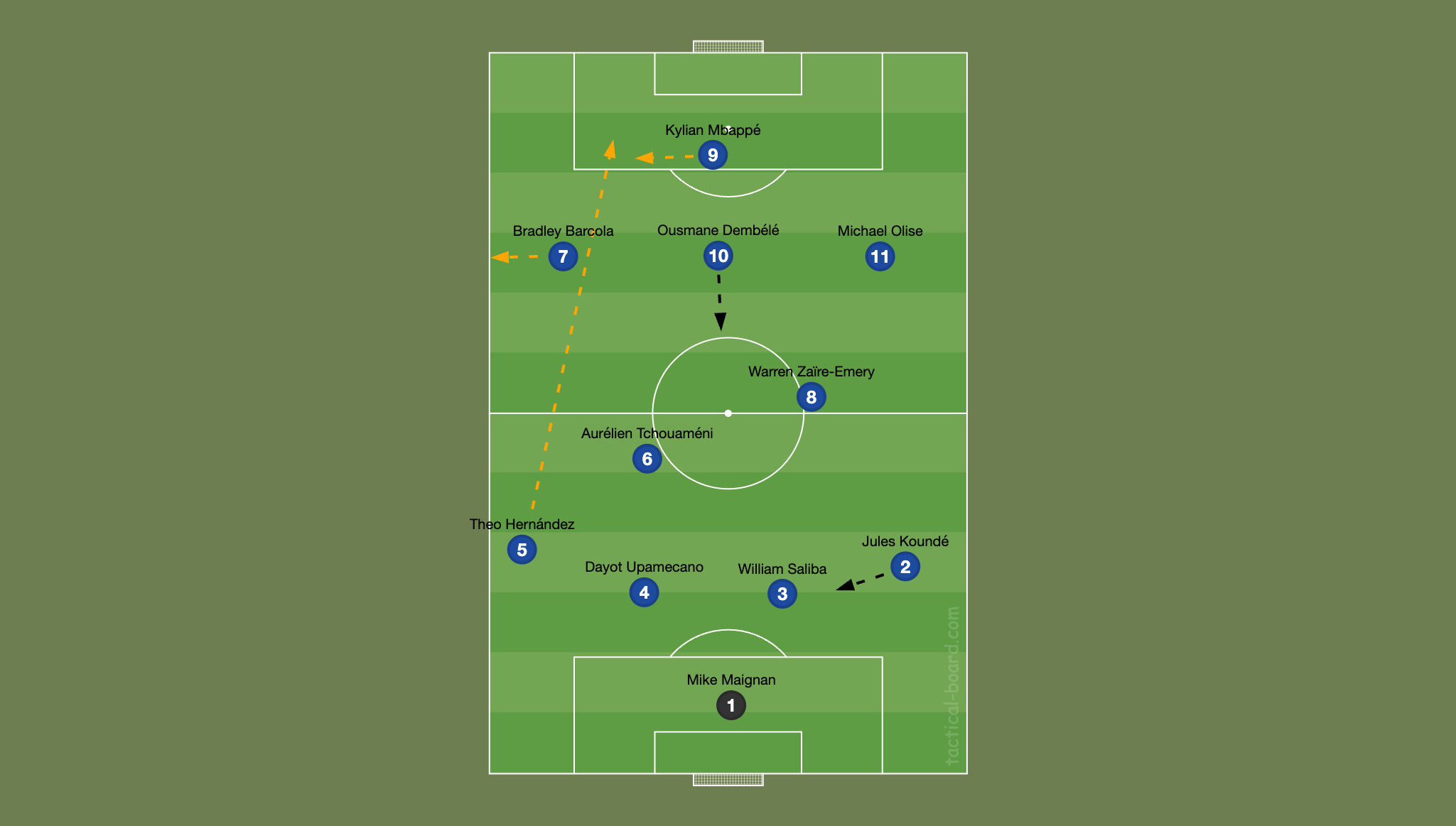
The combination of Theo Hernández, Bradley Barcola, and Kylian Mbappé creates a layered vertical structure designed to destabilise defensive lines through pace, width elasticity, and aggressive channel occupation. Rather than functioning as isolated attackers, each profile amplifies the movement of the others.
Barcola’s role is especially important structurally.
Unlike a purely inverted winger, Barcola possesses the elasticity to both hold width and attack diagonally inward depending on the phase of possession. His willingness to stretch the touchline forces opposing full-backs deeper and wider, naturally opening interior lanes for both Mbappé and Theo Hernández to attack aggressively.
That movement unlocks Hernández.
As Barcola pins width higher up the pitch, Theo is able to underlap and attack vertical space dynamically from deeper zones, one of the defining characteristics of his game both for club and country. France effectively weaponise Theo as a secondary transitional runner arriving from underneath the play rather than as a traditional overlapping full-back.
At the centre of the structure sits Mbappé.
Out of possession, France attempt to reduce his defensive workload wherever possible in order to preserve his explosiveness for transitional moments. But in possession, that freedom becomes paradoxically restrictive. Mbappé cannot simply drift endlessly across the pitch. He must remain connected to the central-left attacking corridor, occupying defenders vertically and preserving the gravitational pull that allows the entire left-sided structure to function.
Dembélé’s movement underneath the attacking structure becomes equally important. Rather than permanently occupying the highest line, he frequently drops deeper into connective zones, stabilising circulation and pulling defensive attention away from the central-left corridor. His movement functions less as traditional playmaking and more as controlled destabilisation, freeing space for the Barcola-Mbappé-Theo triangle to attack vertically.
The result is a left side built around controlled acceleration.
France are not attempting to circulate endlessly through this channel. They are attempting to create enough instability for one explosive movement to collapse the defensive line entirely.
The Marginal Control Principle
Because France lack a traditional midfield metronome capable of fully dictating rhythm through possession alone, control must instead emerge collectively through rotational compensation and positional trade-offs.
Rather than relying on one player to universally manipulate tempo across the pitch, France attempt to manufacture fragments of control situationally through their attacking midfield line. The objective is not complete territorial domination, but enough structural stability to allow their attacking chaos to emerge without fully destabilising the system underneath it.
At the centre of this idea lies the mirrored relationship between Kylian Mbappé and Ousmane Dembélé.
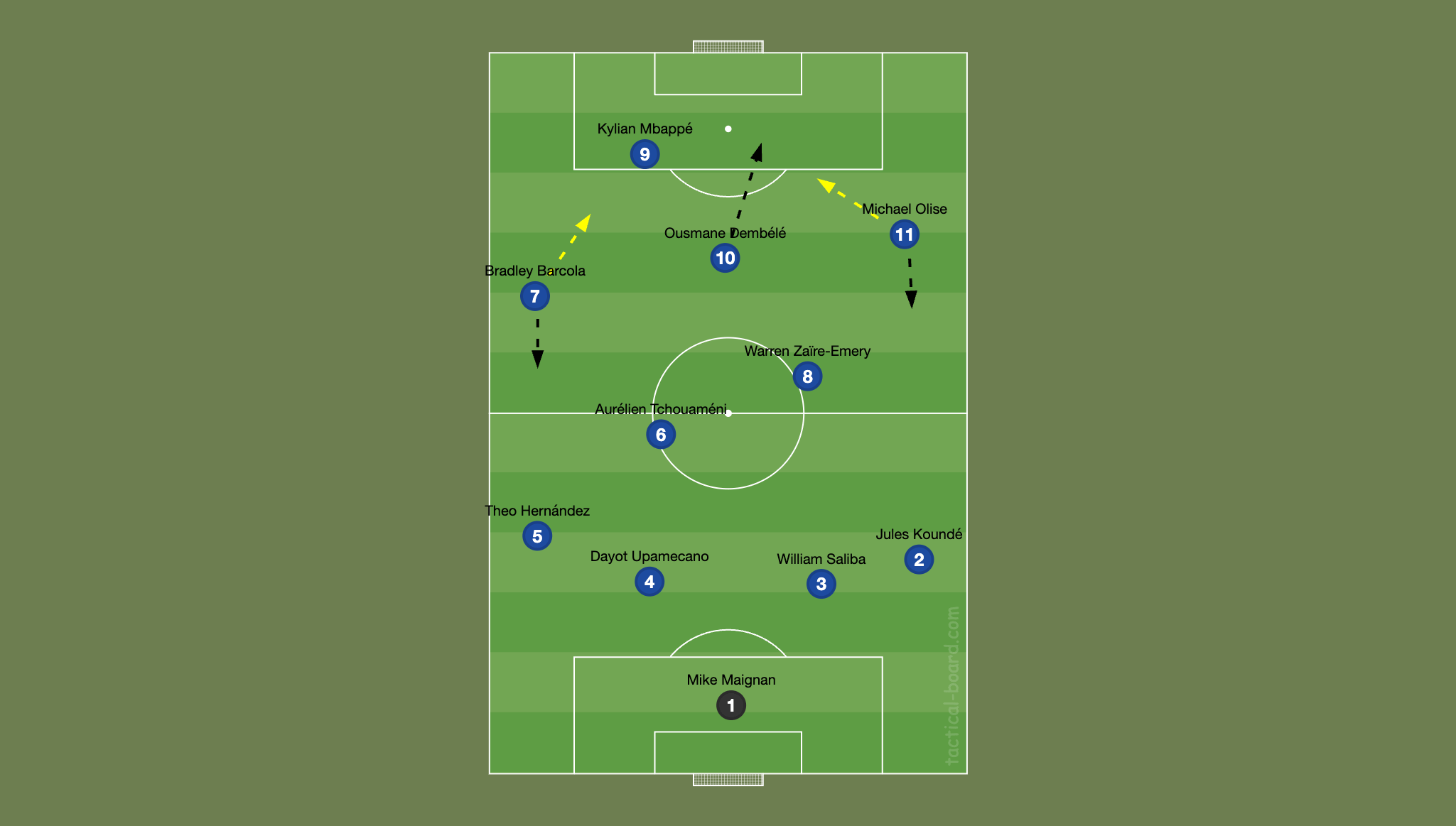
Out of possession, Mbappé is largely freed from heavy defensive labour in order to preserve his explosiveness for transitional moments. Dembélé absorbs the opposite responsibility. He becomes chained to the structure through pressing triggers, central compactness, recovery runs, and defensive coordination underneath the frontline. Much of France’s first defensive pressure depends on his willingness to work inside spaces Mbappé naturally vacates.
Once possession is recovered, the dynamic reverses entirely.
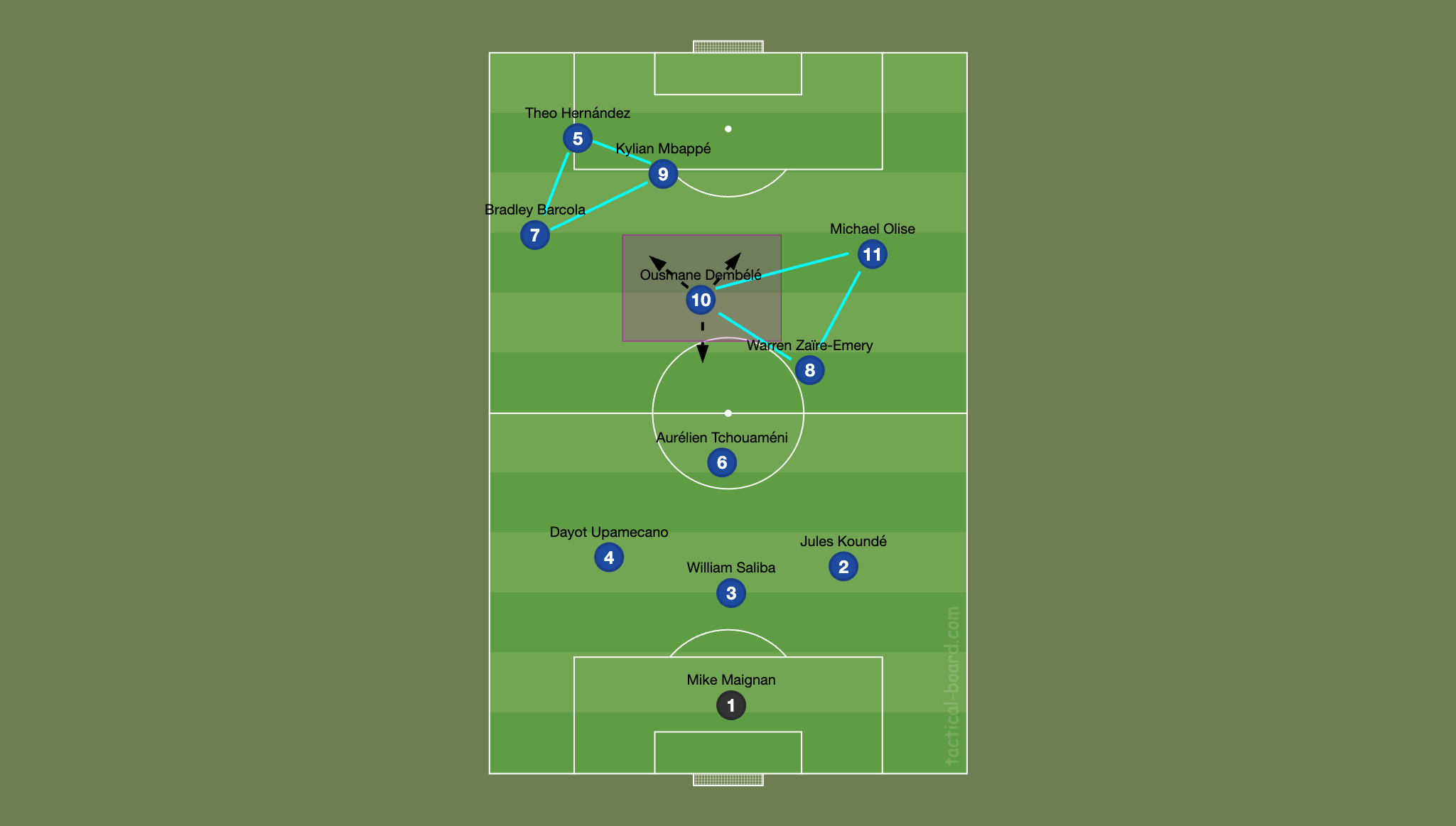
Mbappé becomes positionally chained to the central-left corridor, preserving the gravitational structure required for France’s attacking framework to function vertically. Dembélé, meanwhile, becomes the free interpreter of the system. He can drop underneath circulation, drift into wide combinations, attack central spaces directly, or destabilise defensive structures through unpredictable movement and carrying.
This is where France attempt to manufacture marginal control.
Dembélé’s tendency to drop deeper underneath the frontline subtly increases central circulation access, temporarily stabilising possession phases that might otherwise become overly transitional. He does not control matches like a classical metronome. Instead, he creates moments of controlled chaos: stabilising sequences just long enough before accelerating them again through movement, improvisation, and rotational disruption.
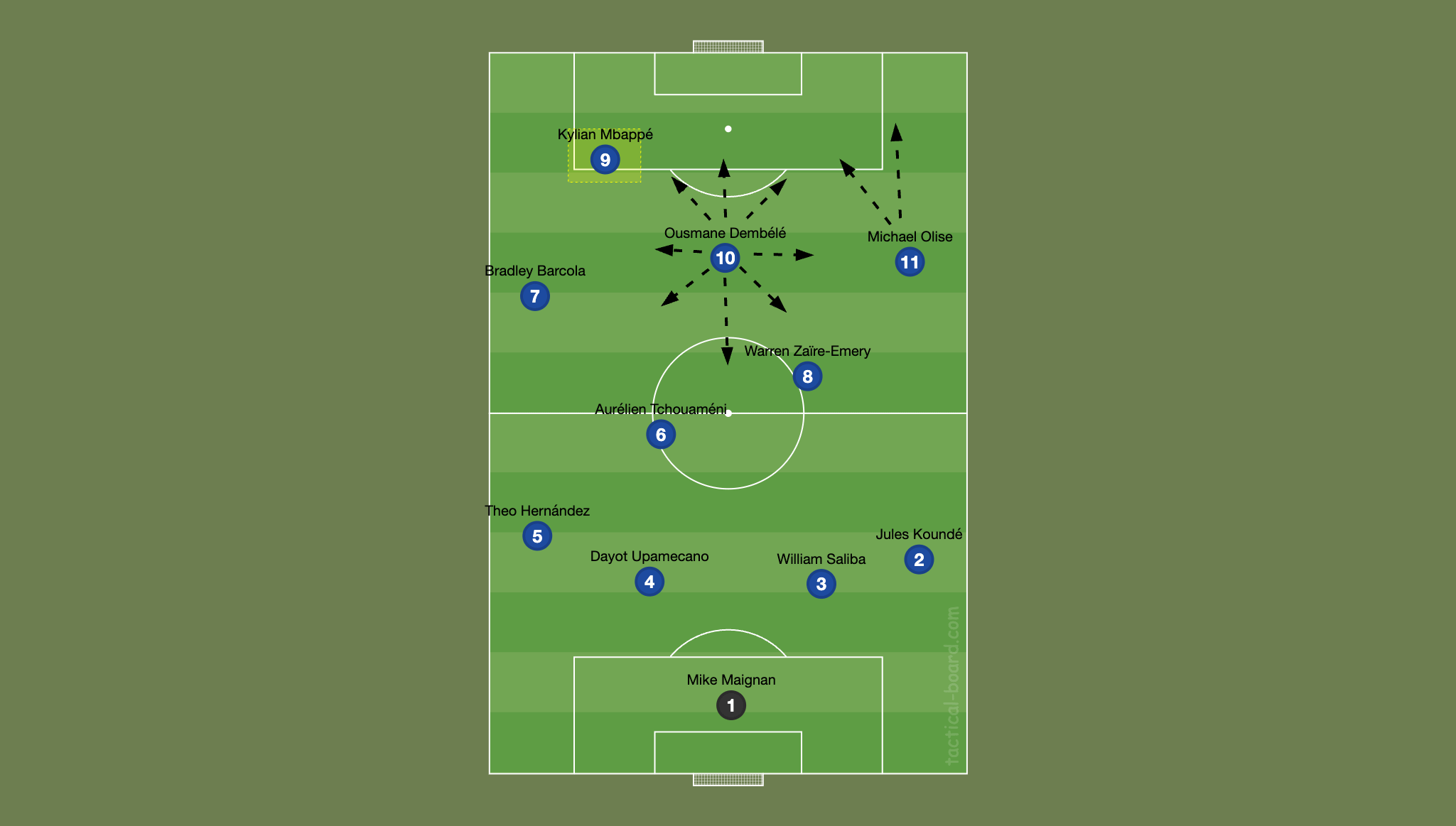
The trade-off, however, is geographical.
With Dembélé operating centrally, France naturally increase improvisation and tempo through the middle whilst circulation wide becomes slower and more possession-oriented. When rotations occur between Dembélé and Michael Olise, the dynamic reverses: central tempo decreases slightly, but France gain cleaner wide retention, stronger progression on the right side, and more stable penetration patterns through Olise’s ball security and creative patience.
Without a singular conductor capable of globally controlling rhythm, France instead attempt to distribute control marginally across multiple zones and players.
The result is a side constantly balancing between circulation and acceleration, structure and improvisation, control and chaos.
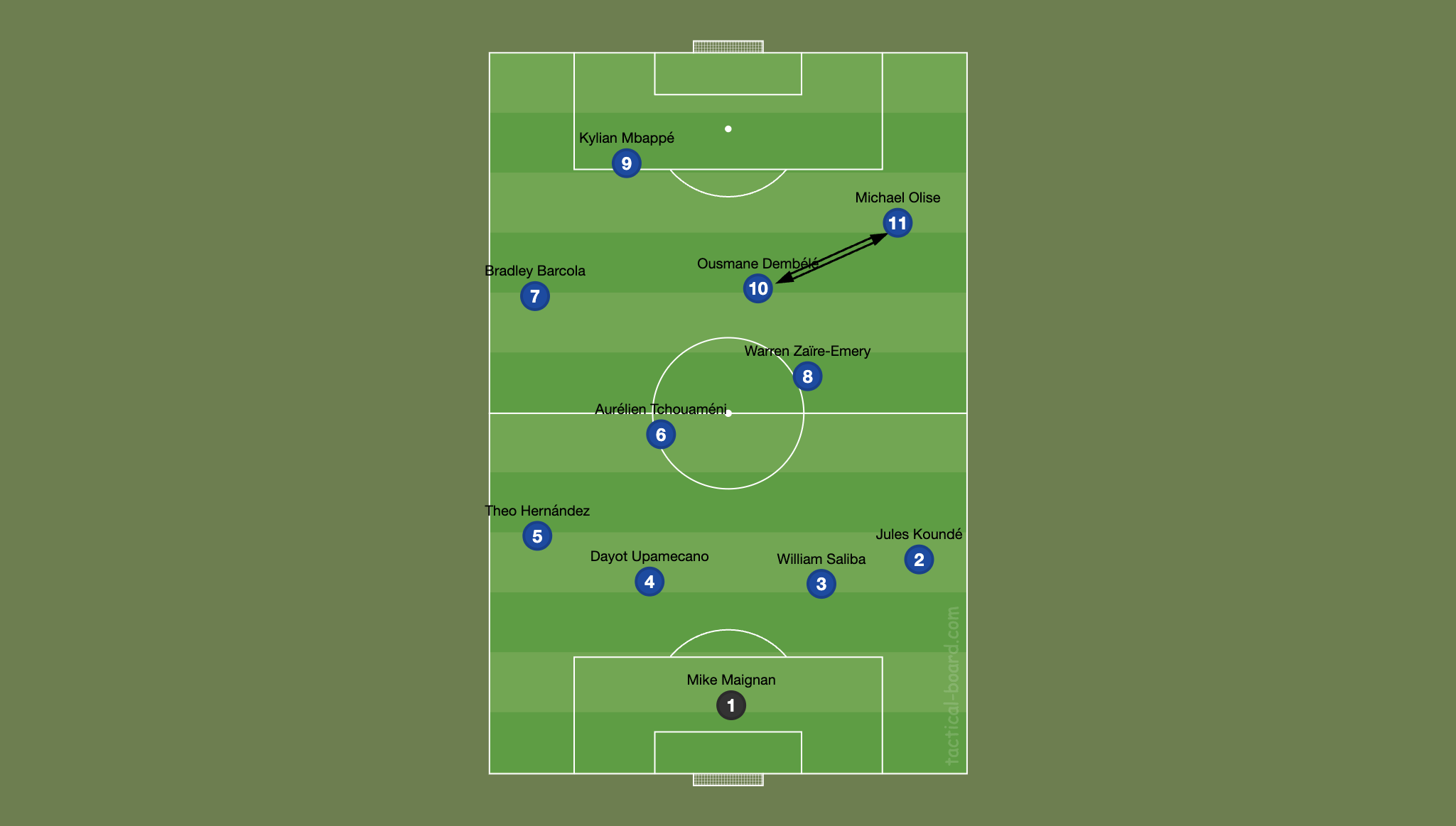
The Right-Sided Mechanism
As the left side becomes increasingly neutralised through defensive overloads, France must gradually shift circulation toward their more stable and controllable right side.
Reinstating the Back Four
A temporary return toward the nominal 4-2-3-1 shape occurs through two key structural shifts.
Theo Hernández lowers deeper on the left side, reducing the aggressive vertical stretching seen earlier in possession, whilst Jules Koundé widens outward once again to restore the natural back four. This recalibration stabilises France territorially after the initial attacking surge and creates a more balanced platform for sustained circulation.
At the same time, Michael Olise begins dropping deeper into the right half-space underneath the frontline.
The objective is not immediate penetration, but controlled reorganisation. France attempt to slow the game marginally, recovering structural balance before accelerating possession again through rotational movement.
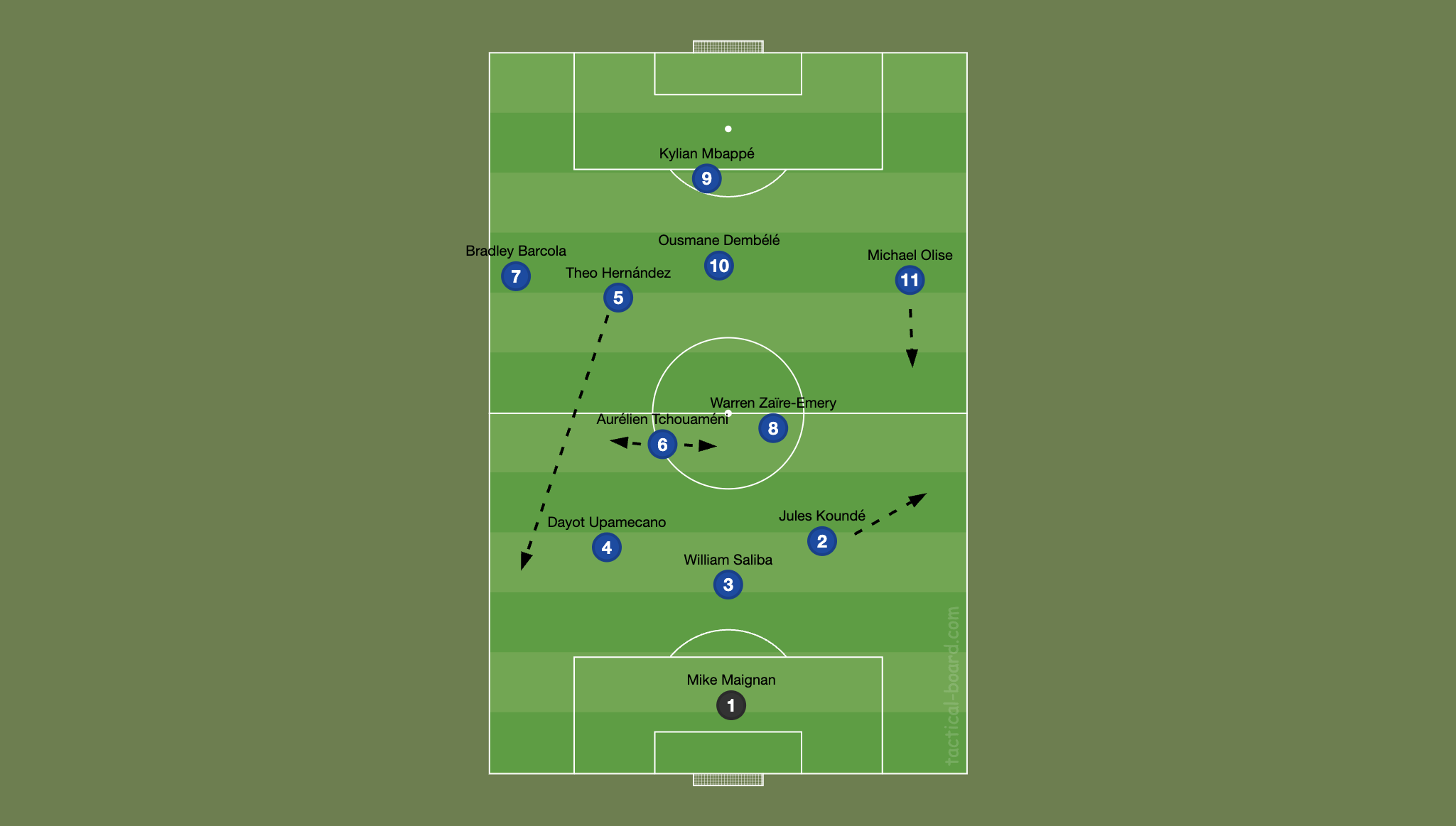
Building Second-Third Momentum
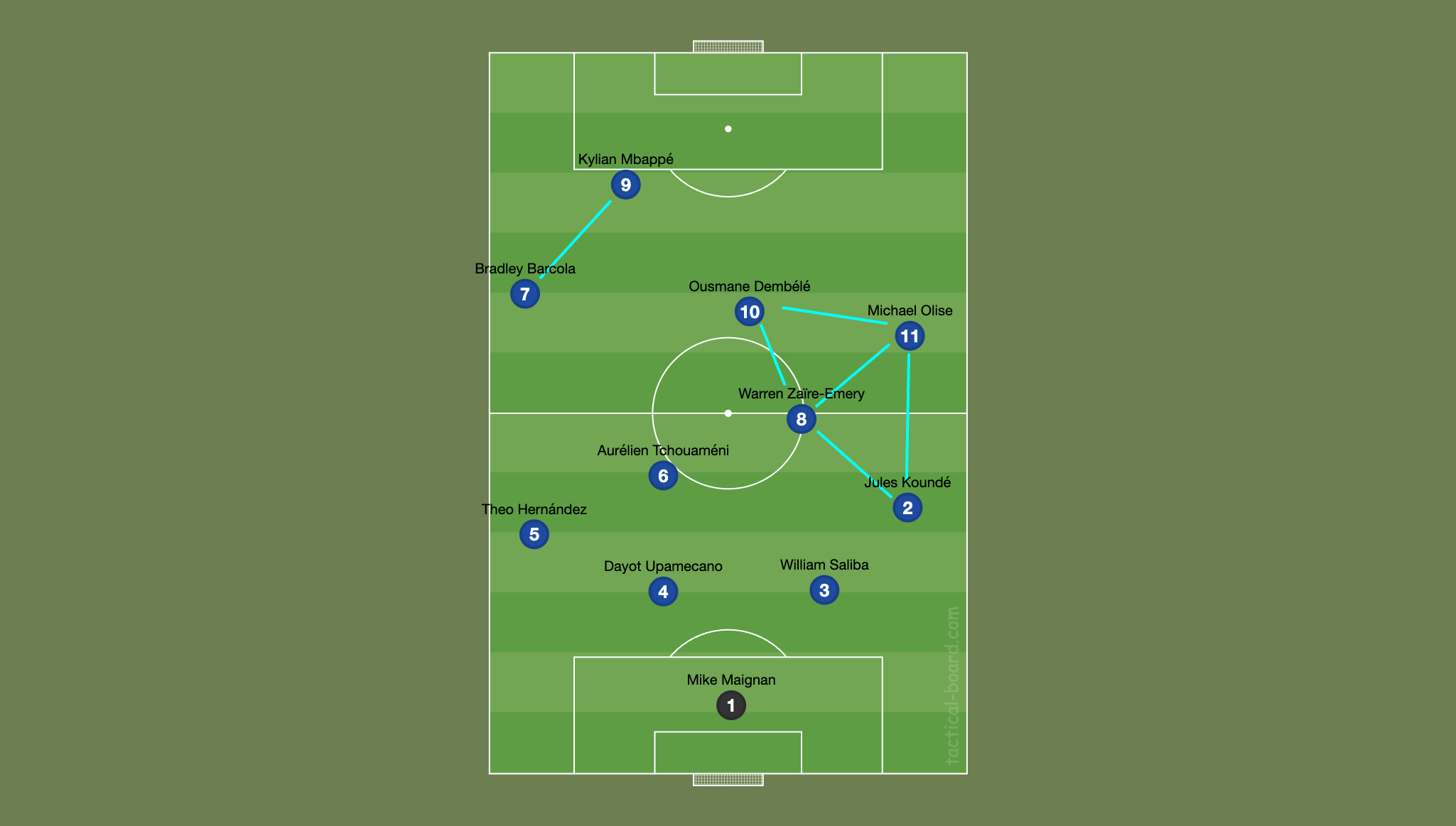
As Olise drops deeper, Warren Zaïre-Emery, Dembélé, and Koundé begin converging around the right half-space, temporarily creating a compact circulation diamond capable of sustaining possession underneath pressure.
Ironically, this right-sided compression often recreates the conditions needed to isolate the left side once again.
By drawing defensive attention centrally and toward the right, France reopen channels for Mbappé, Barcola, and Theo Hernández to attack space on the weak side. Dembélé once again becomes the connective tissue between both attacking zones, linking the stabilised right-sided circulation with the more explosive left-sided overload.
The purpose of the structure is not sterile possession.
It is controlled compression designed to create cleaner transitional release points.
The Critical Rotation
Once the right-sided circulation stabilises possession, France can trigger their most important attacking rotation.
Dembélé and Olise begin exchanging zones between the central channel and the right half-space, forcing defensive lines to constantly readjust their references. Rather than remaining positionally rigid, the pair rotate according to the state of the attack itself.
When Olise drifts centrally, France gain cleaner progression through tighter combinations and calmer circulation between the lines. When Dembélé pulls wider or attacks the half-space, the structure becomes more vertically aggressive and transition-oriented.
Crucially, these rotations also help restore France’s larger attacking shape.
As the right side compresses and reorganises possession, Theo Hernández and Barcola are able to re-isolate the left side once again, whilst Mbappé maintains occupation of the inside-left corridor higher up the pitch. The structure gradually reforms into the asymmetrical 3-2-5, with Koundé once again stabilising underneath the ball as Hernández pushes vertically.
The rotation is not random improvisation.
It is the mechanism France use to reconnect circulation, progression, and attacking release points without relying on a singular midfield conductor.
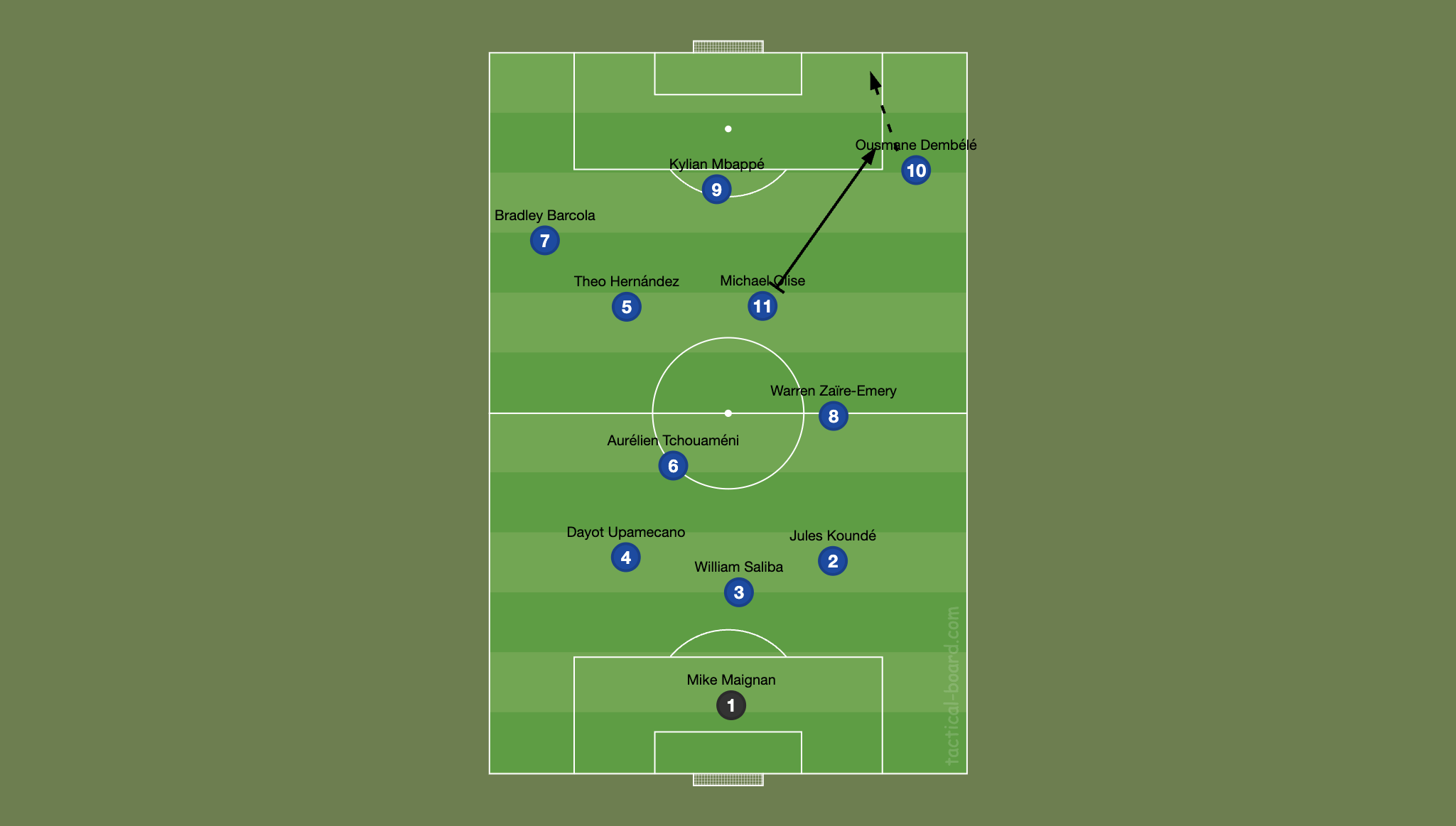
Best-Case XI
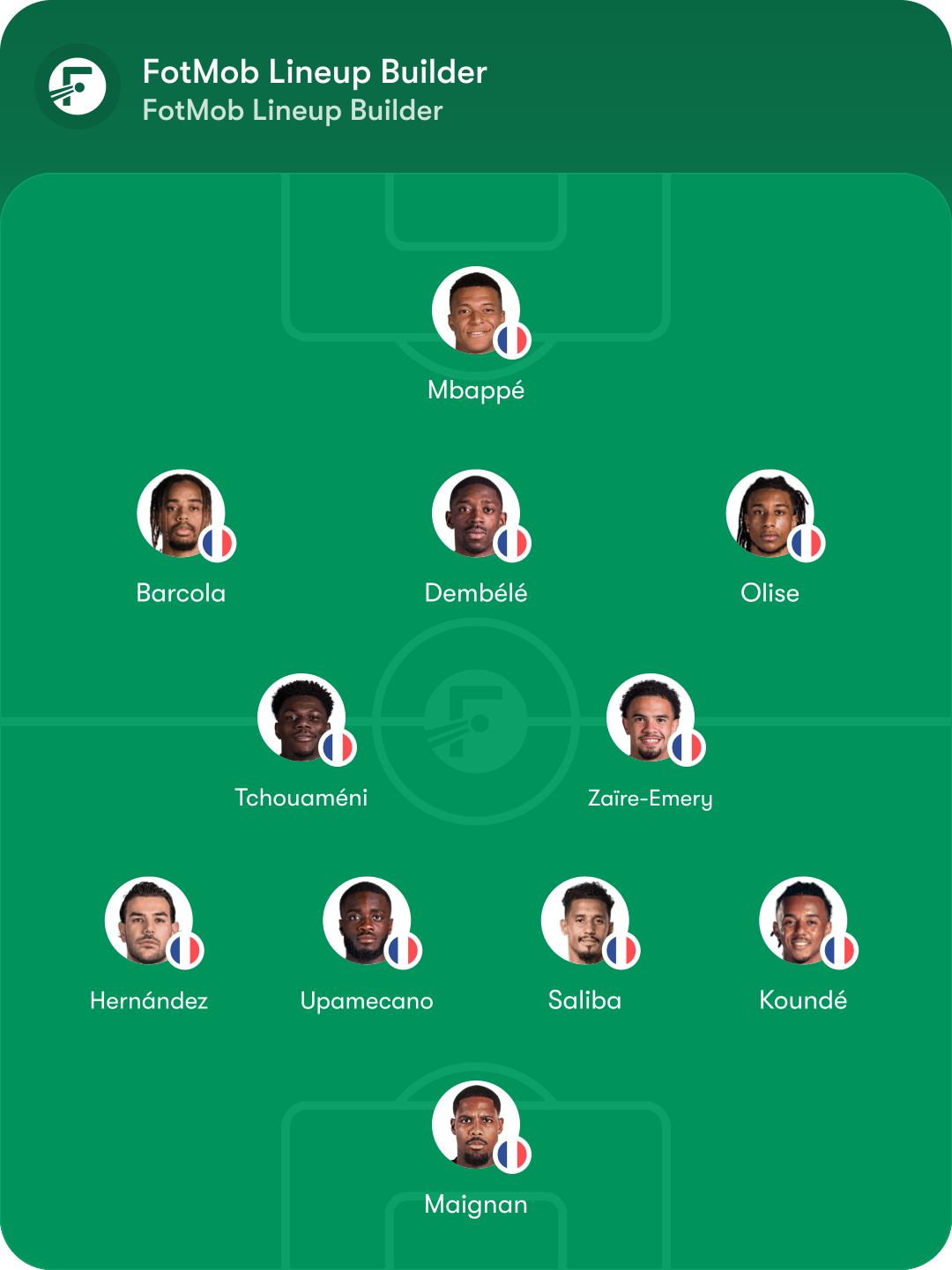
France’s best-case structure is not built around pure possession dominance, but around balancing their attacking and defensive units without fully sacrificing either side of the equation.
Without a traditional deep tempo controller capable of globally dictating rhythm, France instead require connective balance across multiple zones of the pitch. That responsibility falls heavily upon Warren Zaïre-Emery.
Whilst Aurélien Tchouaméni anchors the defensive unit through ball-winning, circulation stability, and transitional protection, Zaïre-Emery functions as the bridge between France’s two halves. His technical security, athletic recovery capacity, and willingness to connect phases allow France to soften the structural split between their defensive platform and attacking chaos.
Alternative profiles exist, but each shifts the balance more aggressively toward one side of the spectrum.
Adrien Rabiot increases verticality and offensive presence through late runs and box-to-box movement, but risks stretching the structure further apart. Manu Koné strengthens transitional aggression and defensive intensity, but reduces connective circulation and technical progression underneath the attack. Zaïre-Emery, by contrast, offers the closest approximation to equilibrium.
That balance extends into the back line itself.
Jules Koundé effectively chains the defensive unit together, narrowing into the situational back three and preserving structural security underneath the ball. Theo Hernández provides the opposite function. His aggressive vertical surges transform him into an auxiliary attacking weapon capable of stretching defensive lines from deeper zones.
The attacking unit, meanwhile, is built around managed unpredictability.
Rather than attempting to dominate matches through sterile possession, France instead seek controlled destabilisation. Ousmane Dembélé becomes central to this idea operating as the system’s roaming destabiliser from the number ten role. His deep carries, rotational freedom, pressing intensity, and connective movement allow France to accelerate matches unpredictably without completely abandoning structural balance underneath him.
Yet the shape also retains adaptability.
Against lower blocks requiring greater circulation and territorial patience, Michael Olise can increasingly inherit the central role, transforming the structure into a more probing and possession-oriented system. Where Dembélé represents controlled chaos through the middle, Olise represents measured manipulation and cleaner progression.
Ultimately, France’s ceiling may depend on accepting what they are rather than chasing what they are not.
This is not a side designed for complete positional control. It is a side built to survive, compress, destabilise, and explode. The objective is not perfection through possession, but the creation of decisive moments protected by a structured safety net.
Tournament Outlook
France enter the 2026 World Cup perhaps closer than ever to the purest expression of Didier Deschamps’s footballing philosophy.
This is a side built less around midfield orchestration and more around compression, athletic superiority, transitional violence, and managed attacking chaos. For nearly a decade, France balanced those qualities through connective figures capable of softening the structure internally. Paul Pogba linked destruction toward creation through rhythm and progression. Antoine Griezmann later evolved into the system’s tactical glue, compensating for structural gaps through movement, work rate, and connective intelligence between midfield and attack.
Now, for the first time, both bridges are gone.
What remains is perhaps the most physically overwhelming French side of the modern era, but also one increasingly forced to distribute control collectively rather than centrally. Instead of one conductor managing emotional tempo across the match, France attempt to manufacture fragments of control through rotations, structural compression, and both compensatory and complementary movement around the attacking unit.
That creates both their greatest strength and greatest danger.
Against open games, France may become almost impossible to contain. Few sides possess enough recovery speed, athletic coverage, or attacking explosiveness to survive once transitional spaces emerge repeatedly. In those moments, France do not simply attack opponents. They overwhelm them physically and psychologically through repeated accelerations.
But knockout football rarely remains emotionally stable.
As margins tighten deeper into the tournament, the question becomes whether France can continue surviving purely through controlled destabilisation once matches begin demanding longer periods of calm, circulation, and emotional control under pressure.
That is the defining contradiction of this generation.
Previous great French sides always possessed some connective intelligence capable of slowing the machine down when chaos threatened to consume it. Platini controlled rhythm through artistry. Zidane controlled matches through gravity and manipulation. Pogba connected destruction toward creation. Griezmann eventually connected structure toward attack through sheer tactical intelligence and labour.
This France increasingly attempt something different.
Rather than controlling matches traditionally, they attempt to survive instability better than everyone else.
And if that balance between structure and chaos holds together long enough, France may once again find themselves standing at the end of the tournament.
But if the system loses synchronisation once the emotional and physical compression of knockout football fully arrives, the very chaos that makes France terrifying may also become the force that finally destabilises them from within.